Best Nurseries in Raleigh: Top Plant Shops & Triangle Garden Centers
Raleigh's plant scene has grown with the Research Triangle's booming population. The area combines Southern gardening traditions with the influence of educated, enthusiastic newcomers who bring diverse plant tastes. Local nurseries serve both longtime residents and transplants learning to garden in the Piedmont.
The Triangle offers everything from established garden centers to hip plant boutiques in downtown Raleigh, Durham, and Chapel Hill. The region's humid subtropical climate creates excellent growing conditions for a wide variety of plants.
What makes Raleigh special is the blend. Old South meets tech-forward newcomers, creating a plant scene that honors traditions while embracing new trends and sustainable practices.
Top Nurseries in Raleigh
We're still building our directory for Raleigh. Check back soon or browse all nurseries.
Ad
Growing in Humid Subtropical Climate
The humid subtropical climate creates excellent conditions for a wide variety of houseplants. High humidity levels mean tropical plants thrive without much extra care, and mild winters allow many plants to live outdoors year-round. However, the heat and humidity can also encourage pests and fungal issues, so good air circulation is essential.
Best Plants for Raleigh
- Tropical foliage plants (Monstera, Philodendron, Pothos)
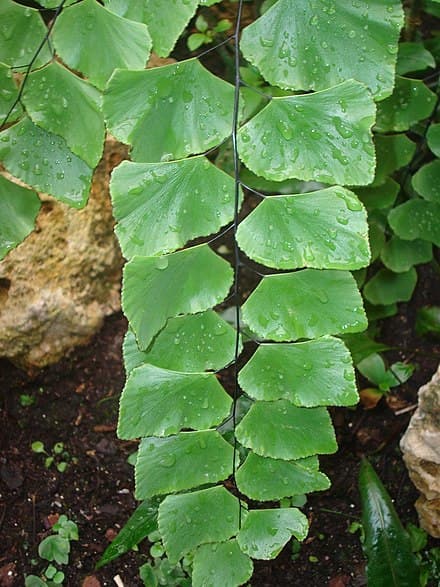
- Ferns and humidity-loving plants
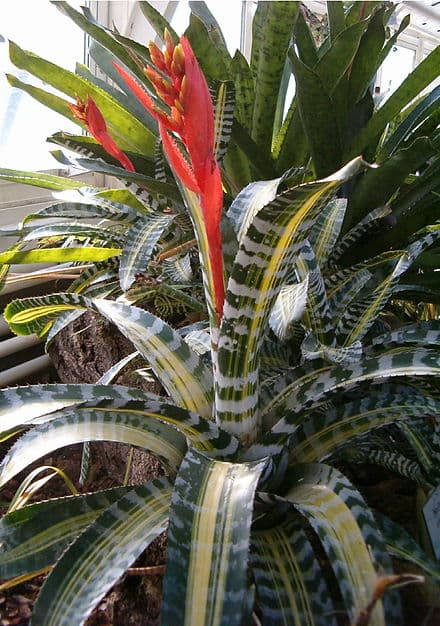
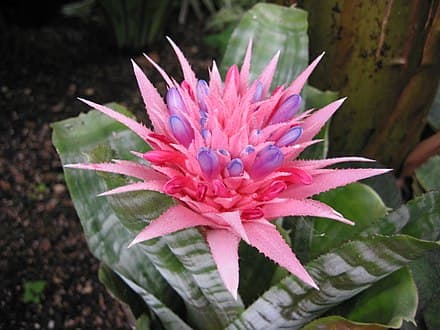
- Orchids and bromeliads
- Peace lilies and Spathiphyllum varieties
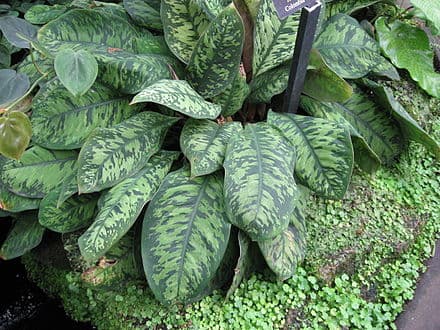
- Calatheas and prayer plants
More Challenging Plants
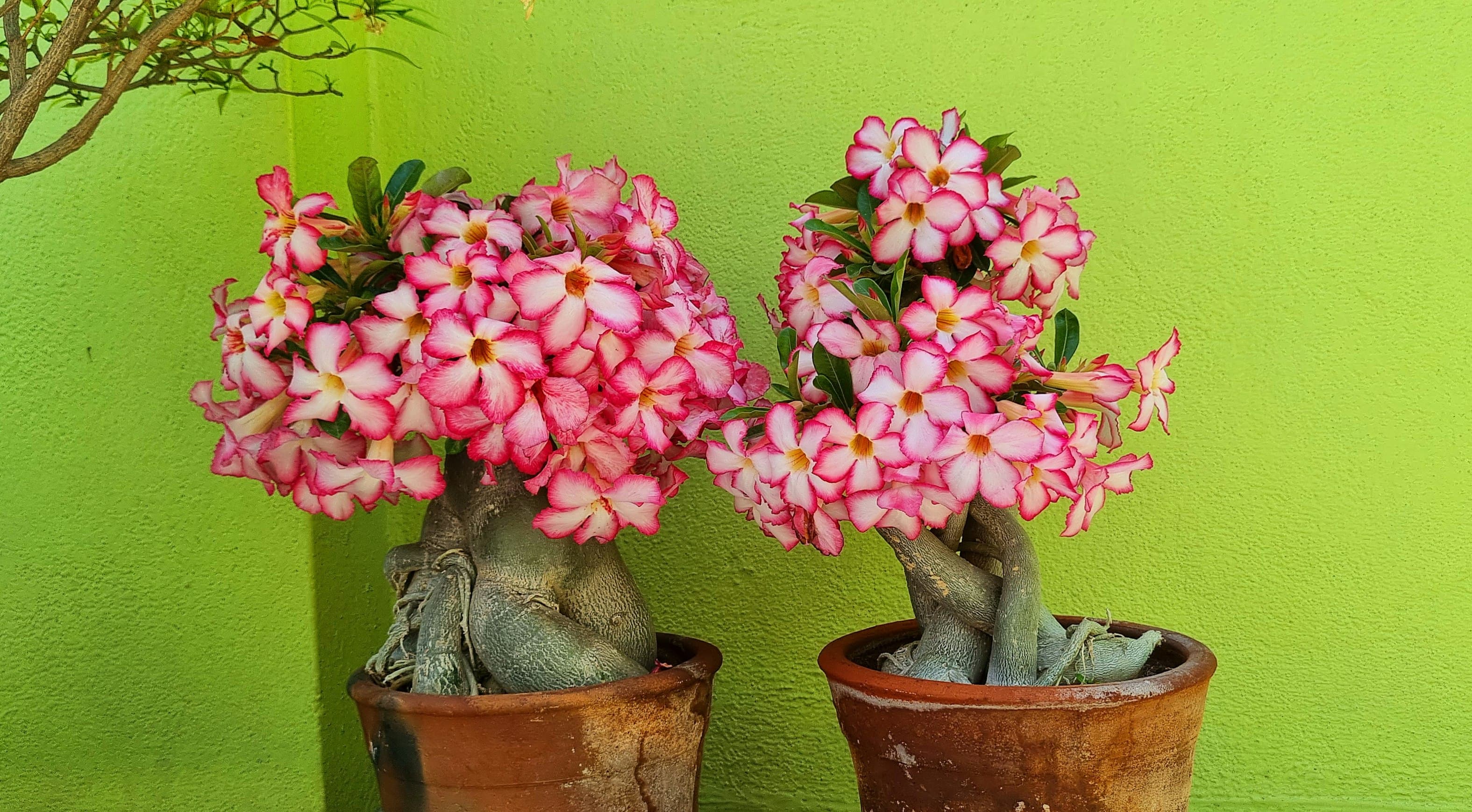
- Succulents (except in very bright, well-drained spots)
- Cacti (require careful watering)
- Plants sensitive to high humidity
Seasonal Tips for Raleigh
Spring and fall are ideal for purchasing new plants, as they'll acclimate easily. Summer heat can stress newly potted plants, so provide extra shade. Winter is mild but watch for occasional frost warnings—bring tender plants indoors during cold snaps.
Ad
Plant Shopping in Raleigh: Local Insights
- The JC Raulston Arboretum at NC State is a world-renowned plant resource
- Downtown Raleigh, Durham, and Chapel Hill all have trendy plant boutiques
- Logan's Trading Company has been a Raleigh institution for decades
- The Triangle's universities contribute horticultural research and expertise
- Many Triangle nurseries specialize in native Piedmont plants
Tips for Buying Plants in Raleigh
Finding the right nursery can make all the difference in your plant journey. Here's what to look for when shopping in Raleigh.
Check Plant Health Before Buying
Inspect leaves for yellowing, spots, or pest damage. Healthy plants have firm stems and vibrant foliage. Don't be afraid to gently tip the pot and check root health—white roots are good, brown or mushy roots signal problems.
Ask About Local Growing Conditions
Local nurseries understand your area's unique climate challenges. They can recommend varieties that thrive here and help you avoid plants that struggle in local conditions. This expertise is worth more than any online guide.
Consider the Journey Home
Weather can stress plants during transport. In summer, never leave plants in a hot car. In winter, wrap them for the trip. Many nurseries offer protective wrapping or delivery for sensitive plants.
Look for Locally Grown Stock
Plants grown locally are already acclimated to your area's conditions. They'll transition to your home more easily than plants shipped from different climates.
Build a Relationship
The best nurseries become long-term resources. Staff can track what you've bought, remember your successes and challenges, and provide ongoing support as your collection grows.
Popular Plants for Your Raleigh Home
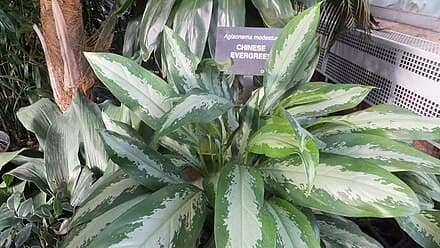
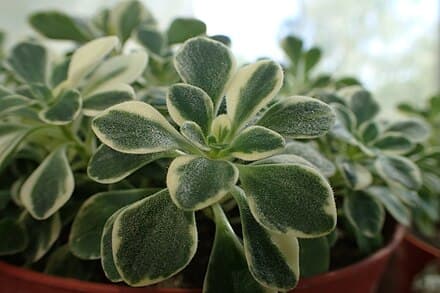
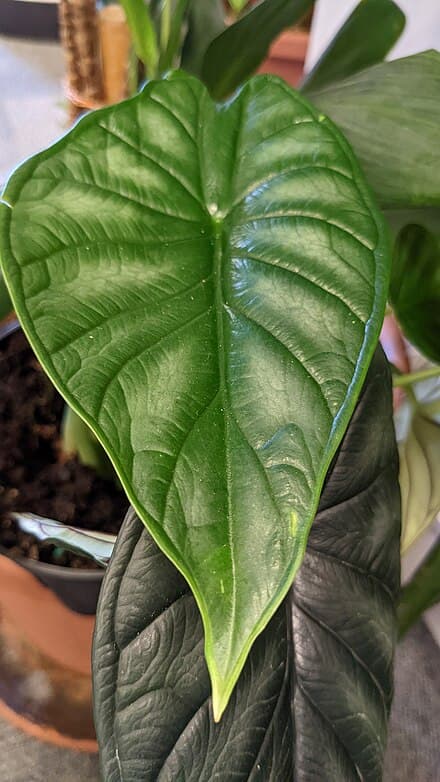
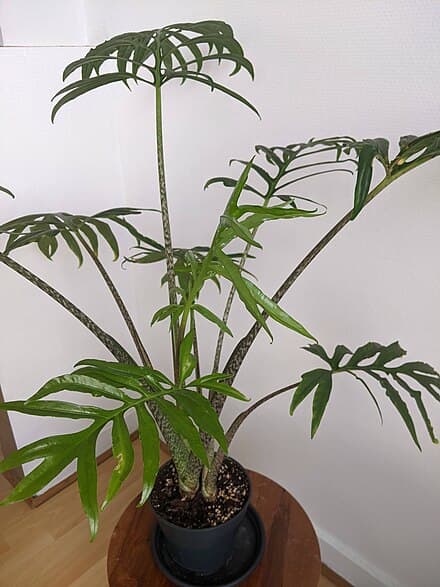
As an Amazon Associate and affiliate partner, we earn from qualifying purchases.
Ad
Ad
Frequently Asked Questions
Common questions about finding and shopping at nurseries in Raleigh.
Top Raleigh-area nurseries include Logan's Trading Company, Homewood Nursery, and Atlantic Gardening Company. For houseplants, visit Plant Delights or downtown boutiques.
Southern classics thrive: azaleas, camellias, hydrangeas, and crape myrtles. Native plants like Carolina jessamine and beautyberry do excellently. Most houseplants love the humidity.
Plant Delights in Juniper Level, Triangle Nursery in Durham, and various downtown boutiques have excellent houseplant selections. Logan's also maintains indoor plant departments.
Fall (September-November) is the Triangle's best planting season. Spring (March-May) works well too. Avoid planting during peak summer heat.
Carolina Native Nursery, JC Raulston Arboretum sales, and NC Native Plant Society events feature natives. Plant Delights in Juniper Level offers unusual natives.
Piedmont red clay benefits from organic amendments. Raised beds are popular. Local nurseries can recommend clay-tolerant plants and amendment strategies.
Ad
Ad