Ad
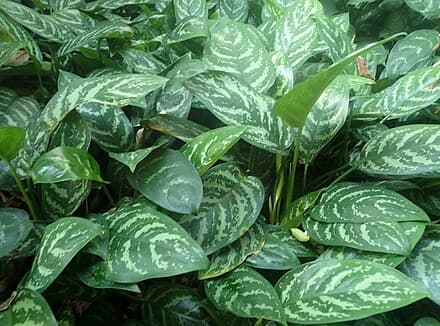
Oxalis triangularis image • Photo: Author KENPEI• GFDL
Oxalis triangularis is a perennial plant with striking deep maroon trifoliate leaves resembling clover, earning it the name 'false shamrock.' It grows up to 50 cm (20 in) tall and broad, featuring leaves that fold downward at night or in harsh sunlight due to photonastic movements powered by turgor pressure changes. The plant lacks an aerial stem, with leaves emerging directly from a tuberous rhizome. It produces delicate white or pale pink five-petalled flowers that close at night, blooming from spring to autumn.
Plant Care Overview
Buy this plant online:
Ad
Ad
Care Guide
Essential requirements for your Oxalis triangularis
Light Requirements
Bright indirect sunlight
Light conditions can affect leaf color and growth rate. Adjust placement as needed based on your plant's response.
Watering Schedule
Water when topsoil is dry; reduce watering in winter
Humidity Needs
humidity
Always check soil moisture before watering. Adjust frequency based on your home's conditions.
Temperature Range
15–27°C (59–81°F)
Native Climate
Native to Southern South America (Brazil, Bolivia, Argentina, Paraguay)
Keep away from drafts, heaters, and air conditioners which can stress your plant.
Soil Type
Well-drained, humus-rich potting soil
Fertilizer
Balanced houseplant fertilizer during growing season
Consider repotting every 1-2 years to refresh soil nutrients and accommodate growth.
Propagation
Methods to grow more Oxalis triangularis plants
Division of tuberous rhizomes or seeds
Plant Info
Characteristics and background information
Southern South America (Brazil, Bolivia, Argentina, Paraguay)
moderate
50 cm (20 in) tall and broad
Perennial
Symptoms: Salivation, vomiting, diarrhea, tremors. Large ingestion can rarely cause kidney failure.
Toxic parts: All parts contain soluble calcium oxalates and oxalic acid
Indoor Blooming
This plant can produce flowers indoors when given proper care.
Bloom Season
Spring to autumn
Flower Description
White or pale pink, five-petalled, oblong-lanceolate flowers approximately 5 cm (2 in) long
Fun Fact
Its leaves fold at night due to turgor pressure changes in leaf base cells—a phenomenon called photonasty.
Troubleshooting
Solutions for typical issues with your Oxalis triangularis
Root rot, yellowing leaves, premature dormancy
Aggressive spreading via seeds or rhizomes
Wilting or blackened foliage in cold temperatures
Varieties
Different varieties of Oxalis triangularis
Purpleleaf false shamrock cultivar with deep maroon foliage
Community Tips
Advice shared by other plant enthusiasts
No tips shared yet. Be the first to share your experience!
(Coming soon)
Ad
Care Guides
Detailed guides for caring for your Oxalis triangularis

Ad
Related Plants
Similar plants that might interest you
Nurseries Near You
Find Where to Buy Oxalis triangularis
Discover local nurseries near you that may carry this plant. We'll show you store ratings, hours, and directions.
Ad
Ad