This guide contains affiliate links. We may earn a small commission if you purchase through our links, at no extra cost to you.
Spring and fall are the make-or-break seasons for houseplants. These transition periods prepare your plants for the extremes ahead—summer's intensity and winter's dormancy. Get them right, and your plants thrive year-round.
Spring Transition (March - May)
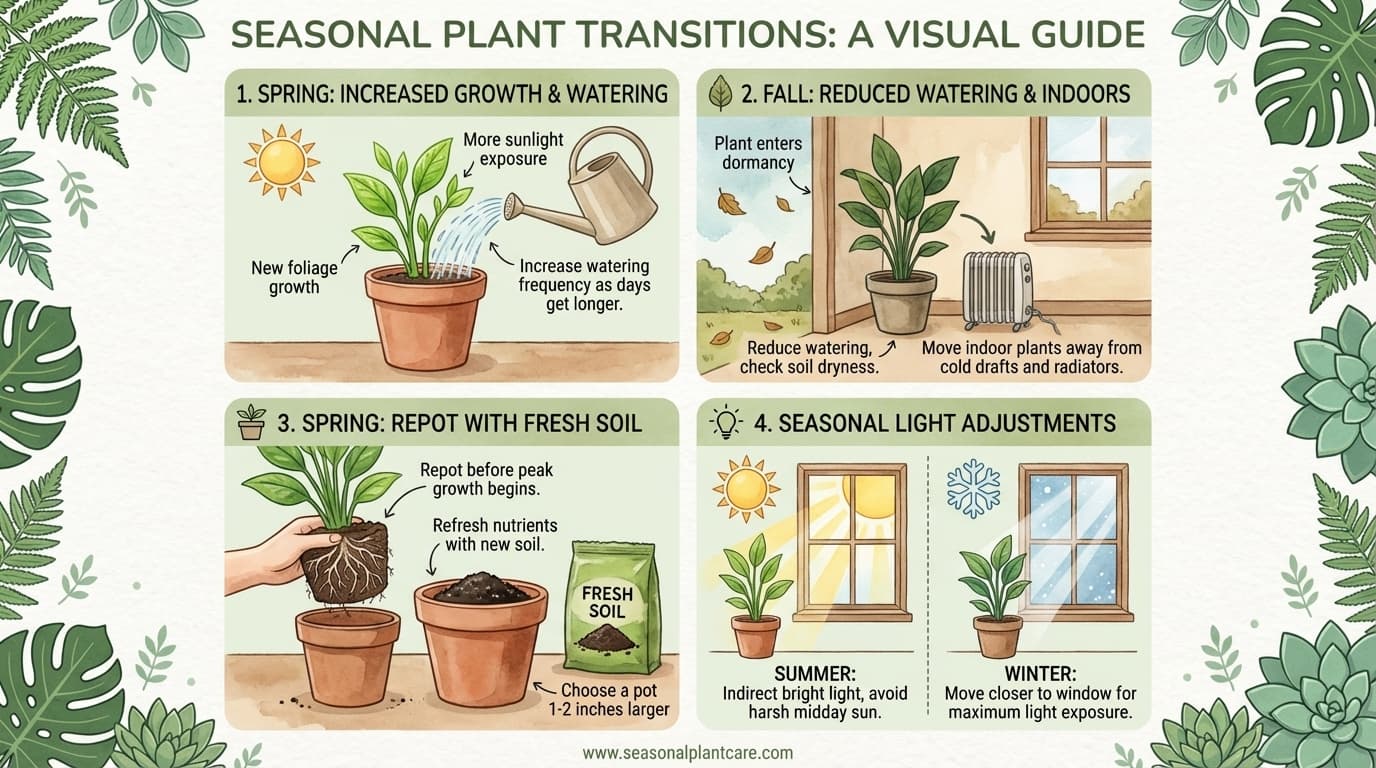
Spring signals your plants to wake up. Days lengthen, light intensifies, and growth accelerates. Here's how to support the transition:
Increase Watering Gradually
As light increases, so does water consumption. Your watering schedule from winter needs adjustment.
Week-by-week approach:
- Early spring: Check soil more frequently—every 4-5 days
- Mid-spring: Most plants need water every 3-4 days
- Late spring: Transition to summer watering patterns
Watch for: Faster soil drying, new leaf growth, active root development.
Resume Fertilizing
Plants are hungry after winter rest. Begin feeding when you see new growth.
Fertilizing tips:
- Start at half strength after the first new growth
- Increase to full strength by mid-spring
- Feed every 2-4 weeks during active growth
- Use balanced fertilizer (10-10-10) for most houseplants
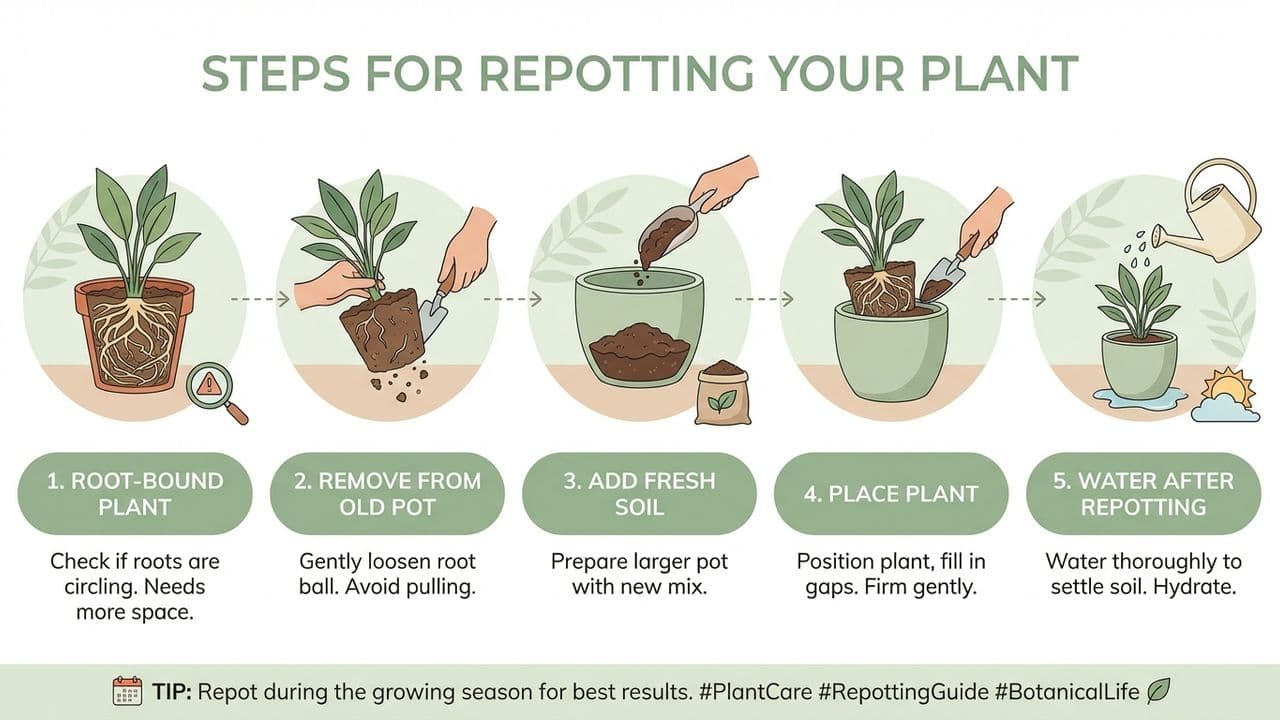
Spring is Repotting Season
The best time to repot is early spring, just as growth resumes.
Signs it's time:
- Roots circling the pot or emerging from drainage holes
- Plant drying out within 1-2 days of watering
- Stunted growth despite good conditions
- Same pot for 2+ years
Pro tip: Repot on an overcast day or in the evening to reduce transplant stress.
Inspect for Overwintered Pests
Pests that lurked dormant all winter become active in spring. Do a thorough inspection.
Check for:
- Spider mites (tiny dots, webbing under leaves)
- Scale (brown bumps on stems)
- Mealybugs (white cottony clusters)
- Fungus gnats (tiny flies around soil)
See our Houseplant Pest Mastery Guide for treatment strategies, and our seasonal pest management guide for month-by-month tips.
Transition Outdoor Time
If you summer plants outdoors, spring is prep time—but don't rush.
Hardening off process:
- Wait until nighttime temps stay above 55°F
- Start with 1-2 hours of outdoor shade
- Gradually increase time over 2 weeks
- Slowly introduce more light
- Watch for sunburn on previously indoor leaves
Fall Transition (September - November)
Fall prepares plants for winter dormancy. Growth slows, and care requirements shift dramatically.
Reduce Watering Gradually
As days shorten, photosynthesis decreases, and plants drink less.
Adjustment strategy:
- Early fall: Begin checking soil less frequently
- Mid-fall: Extend time between waterings by 1-2 days
- Late fall: Transition to winter watering patterns
Warning signs of overwatering: Yellow lower leaves, soil staying wet for 10+ days, mushy stems.
Stop or Reduce Fertilizing
Most houseplants don't need fertilizer from October through February.
When to stop:
- Reduce to monthly by September
- Stop completely by mid-October
- Exception: Actively flowering plants or those under grow lights
Bring Outdoor Plants Inside
Summer vacationers need to return before cold damage occurs.
Transition checklist:
- Inspect thoroughly for hitchhiking pests
- Wash foliage with gentle spray
- Treat preventatively with neem oil
- Quarantine for 2-3 weeks before joining indoor collection
- Expect some leaf drop—it's normal adjustment
Adjust Light Positions
Sun angle changes dramatically in fall. Plants that thrived in summer spots may suddenly struggle.
Fall light adjustments:
- Move plants closer to windows
- Consider supplemental grow lights
- Rotate plants to ensure even light exposure
- Clean windows—dust reduces light transmission by up to 40%
Increase Humidity Preparation
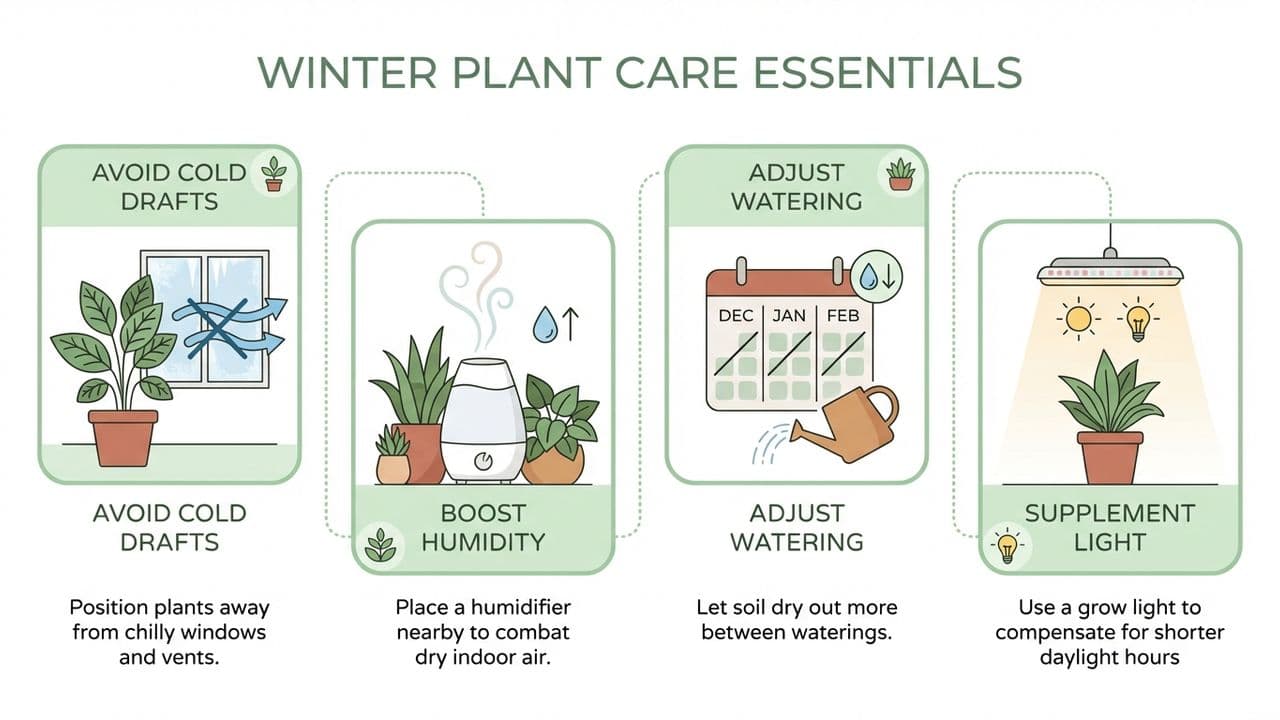
Heating systems devastate indoor humidity. Prepare before they kick on.
Pre-winter humidity setup:
- Position humidifier near tropical plants
- Group humidity-loving plants together
- Set up pebble trays
- Move sensitive plants away from heating vents
Read our humidity management guide for detailed strategies.
Transition Troubleshooting
Leaf Drop During Transitions
Cause: Stress from changing conditions Solution: Normal in moderation. Maintain consistent care; new leaves will emerge.
Stretching/Reaching Toward Light
Cause: Decreasing fall light Solution: Move closer to windows or add grow lights.
New Growth Stalling
Cause: Natural response to shortening days Solution: Normal fall behavior. Growth resumes in spring.
Yellowing Leaves in Fall
Cause: Overwatering as growth slows Solution: Reduce watering frequency; check drainage.
Seasonal Care Calendar
| Month | Key Tasks |
|---|---|
| March | Watch for new growth, begin increasing water |
| April | Start fertilizing, inspect for pests, consider repotting |
| May | Harden off plants for outdoor time |
| September | Begin reducing water and fertilizer |
| October | Stop fertilizing, bring outdoor plants in |
| November | Set up humidity support, adjust light positions |
Plants That Need Extra Transition Care
Some plants are particularly sensitive to seasonal changes:
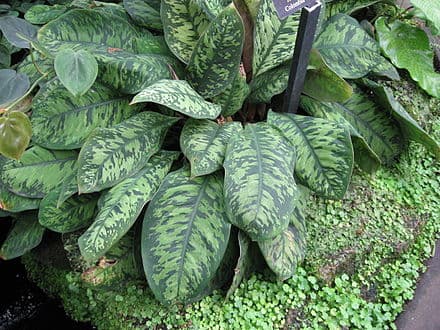
- Calathea: Humidity-sensitive; needs extra fall attention
- Fiddle Leaf Fig: Hates change; move gradually, avoid drafts
- Citrus: Needs careful hardening before outdoor time
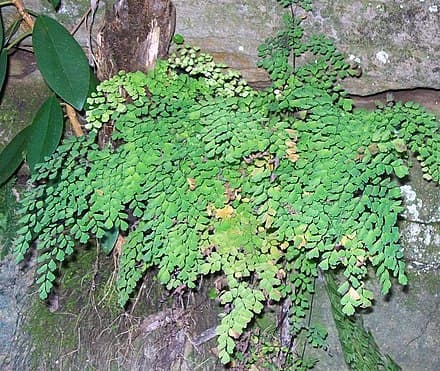
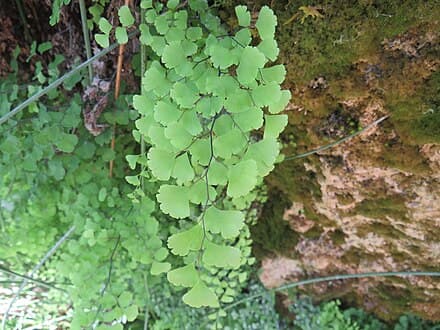
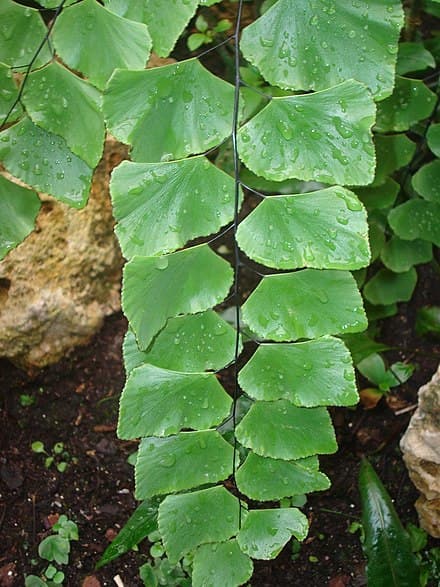
- Tropical ferns: Struggle with fall humidity drops
Visit your local nurseries for seasonal supplies like humidity trays, grow lights, and fresh potting mix for spring repotting.
Master these transitions, and you'll avoid the common cycle of stressed plants struggling through extremes. Your collection will thank you with steady, healthy growth year-round.