This guide contains affiliate links. We may earn a small commission if you purchase through our links, at no extra cost to you.
Not enough natural light? Grow lights change everything. They let you grow tropical plants in dark apartments, keep collections thriving through winter, and even create optimal conditions for propagation. Here's how to choose and use them effectively.
Do You Need Grow Lights?
Signs your plants need supplemental light:
- New growth is leggy and stretched (etiolation)
- Variegated plants losing their patterns
- No growth during winter months
- Leaves pointing/reaching toward windows
- Flowering plants won't bloom
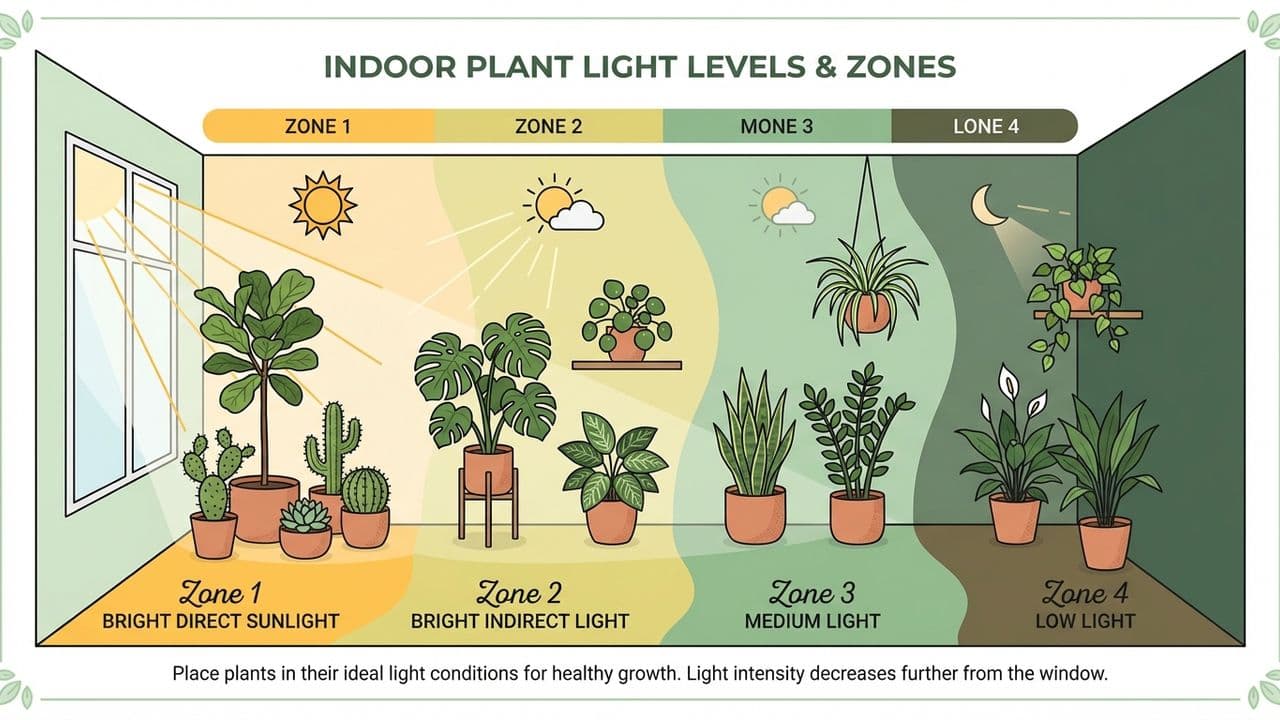
Check your current light first: Our light requirements guide explains how to assess your natural light levels.
Understanding Light for Plants
The Spectrum That Matters
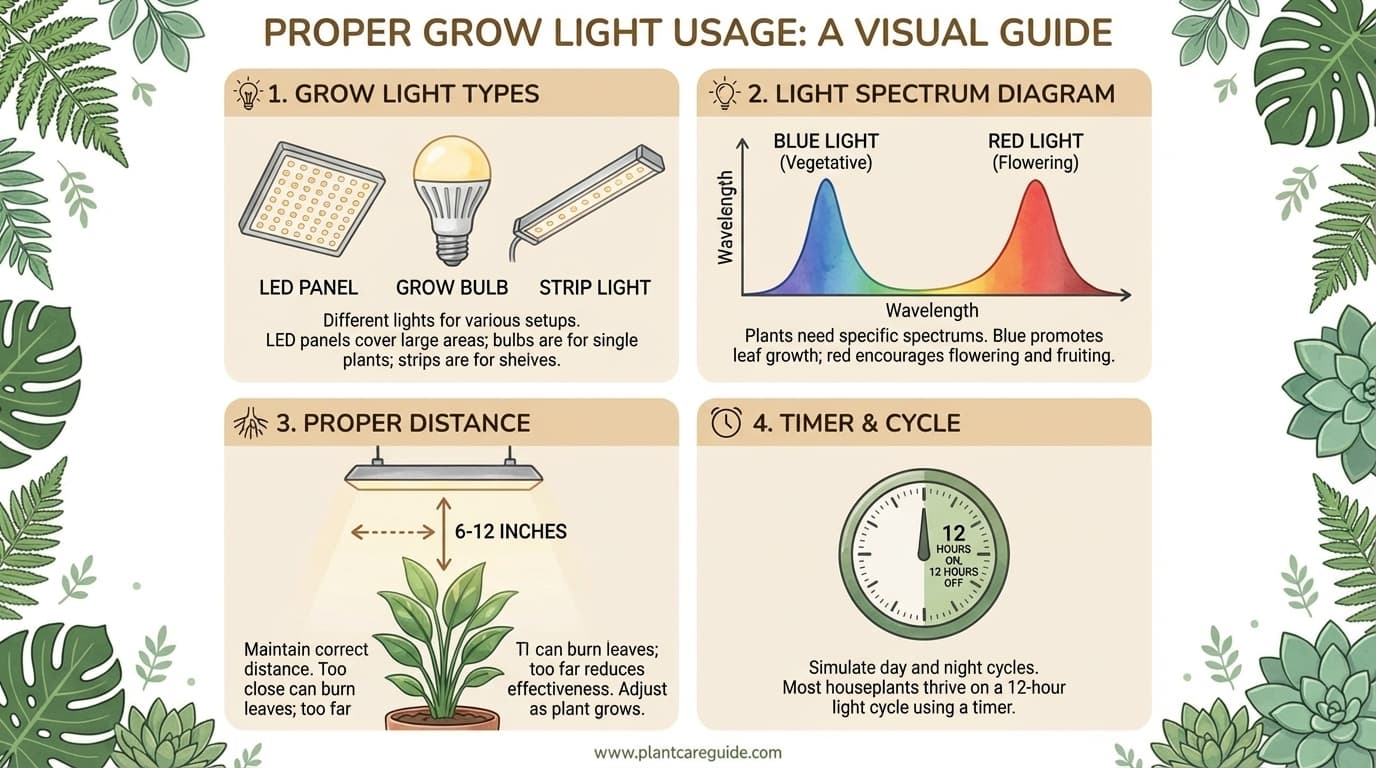
Plants use primarily blue and red light for photosynthesis:
- Blue light (400-500nm): Promotes compact, bushy growth and strong leaves
- Red light (600-700nm): Drives flowering and fruiting
- Full spectrum: Contains both, plus green—appears white/warm to human eyes
For most houseplants: Full-spectrum white lights work great and look better in living spaces than purple grow lights.
Measuring Light Intensity
Light intensity is measured in:
- Foot-candles: Traditional measurement (what most guides reference)
- Lux: Metric equivalent
- PPFD (μmol/m²/s): Most accurate for plants, measures photosynthetically active radiation
| Plant Type | Minimum PPFD | Foot-candles |
|---|---|---|
| Low light (Snake Plant, Pothos) | 50-100 | 50-200 |
| Medium light (Monstera, Philodendron) | 100-200 | 200-500 |
| High light (Succulents, Fiddle Leaf) | 200-400 | 500-1000 |
Types of Grow Lights
LED Grow Lights (Recommended)
Pros: Energy efficient, low heat, long lifespan, available in full spectrum Cons: Higher upfront cost Best for: Most home growers
Types of LED options:
- Bulb style: Screw into existing fixtures, great for 1-3 plants
- Panel style: Cover larger areas, adjustable height
- Light bars/strips: Good for shelves and propagation stations
Fluorescent Lights
Pros: Inexpensive, widely available, low heat Cons: Less efficient, shorter lifespan, bulky Best for: Seed starting, propagation, tight budgets
Incandescent Lights
Avoid for plants. They produce too much heat and wrong spectrum. Standard household bulbs don't support plant growth.
Setting Up Your Grow Lights
Distance from Plants
Light intensity decreases dramatically with distance. General guidelines:
| Light Type | Distance from Plants |
|---|---|
| LED panels | 12-24 inches |
| LED bulbs | 6-12 inches |
| Fluorescent | 4-12 inches |
Watch for: Leaf bleaching (too close) or stretching (too far). Adjust based on plant response.
Duration (Photoperiod)
Plants need darkness too—it's when certain growth processes occur.
Recommended schedules:
- Most houseplants: 10-12 hours of light
- Flowering plants: 12-14 hours during bloom
- Seedlings/cuttings: 14-16 hours
Pro tip: Use a timer. Consistency matters more than exact hours.
Budget-Friendly Options
Under $30
Clip-on LED grow bulbs: Perfect for supplementing a single plant or small collection. Look for 20W+ full spectrum bulbs.
$30-75
LED panel lights: Cover 2x2 foot areas. Good for plant shelves or small setups. Adjustable hanging height recommended.
$75+
Premium LED systems: Larger coverage, better efficiency, dimming controls. Worth it for serious collectors or propagation stations.
Common Mistakes to Avoid
Running lights 24/7: Plants need dark periods for healthy growth. Constant light causes stress.
Placing lights too far away: A light 3 feet from your plant delivers a fraction of its potential. Move it closer.
Ignoring heat: Even LEDs generate some warmth. Ensure adequate ventilation, especially in enclosed spaces.
Expecting miracles: Grow lights supplement—they can't turn a dark closet into a tropical greenhouse. Combine with other care fundamentals.
Ideal Use Cases
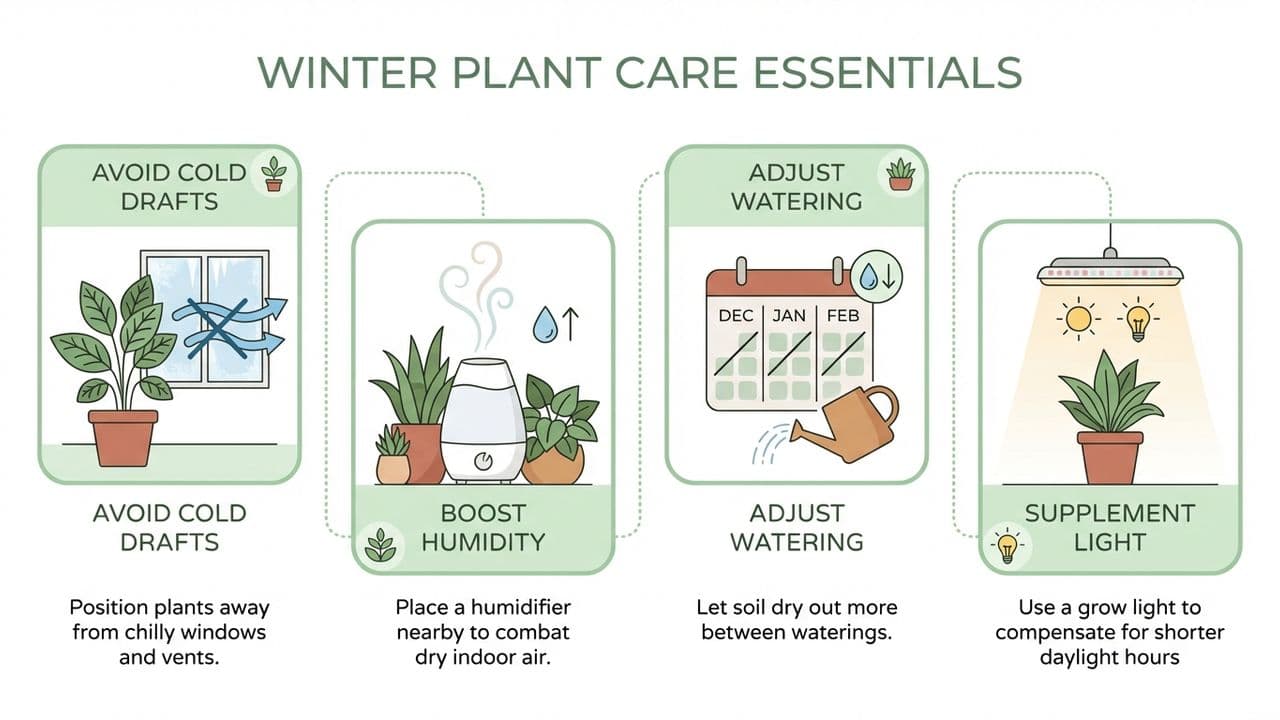
Winter supplementation: Extend daylight hours from November through February. Especially important for tropicals like Monstera and Peace Lily.
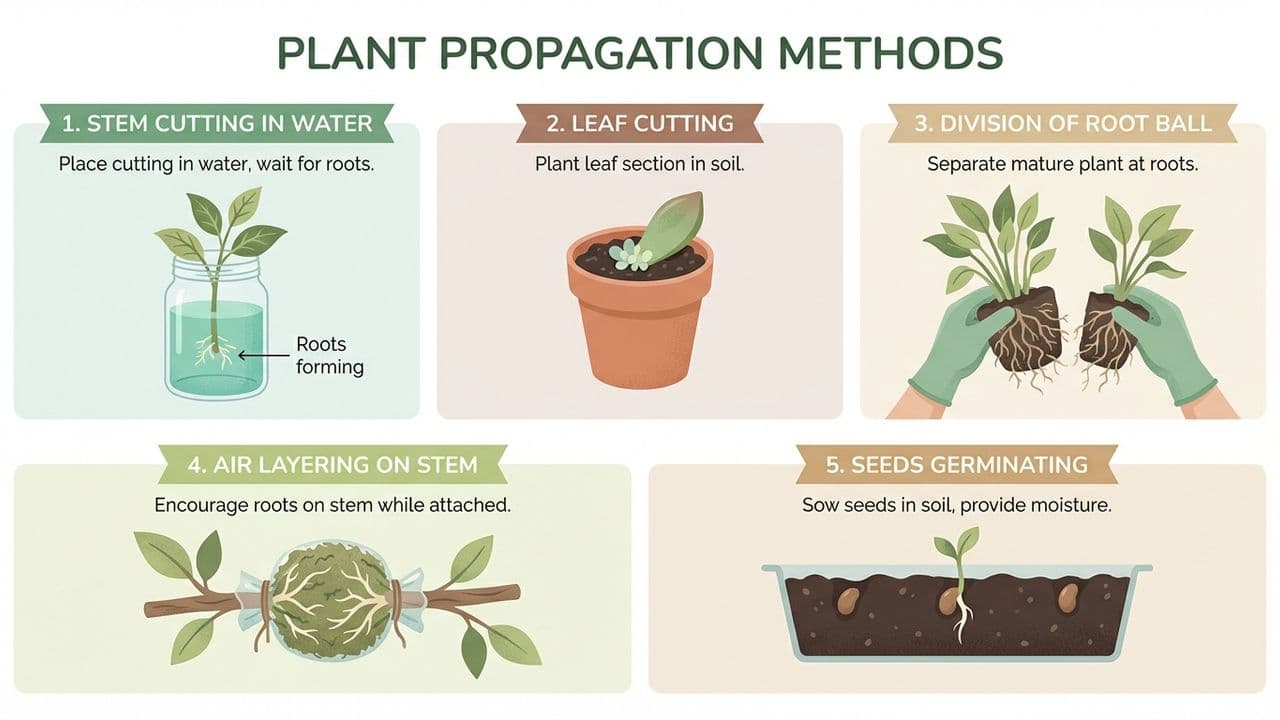
Propagation stations: Cuttings root faster with consistent light. Great for propagation projects.
North-facing rooms: Boost inadequate natural light year-round.
Shelf gardens: Install lights under each shelf for beautiful, thriving displays.
Getting Started
- Assess your needs: How many plants? How dark is the space?
- Start simple: One good LED bulb can make a huge difference
- Set a timer: Consistency is key
- Observe and adjust: Watch how plants respond over 2-3 weeks
- Upgrade as needed: Your collection will likely grow!
Visit local nurseries to see grow light setups in action. Many have display areas showing effective lighting arrangements you can recreate at home.