This guide contains affiliate links. We may earn a small commission if you purchase through our links, at no extra cost to you.
Why buy new plants when you can make them for free? Propagation is the art of creating new plants from existing ones, and it's easier than you think. With a few simple techniques, you can multiply your collection, share plants with friends, or replace aging specimens with fresh, vigorous clones.
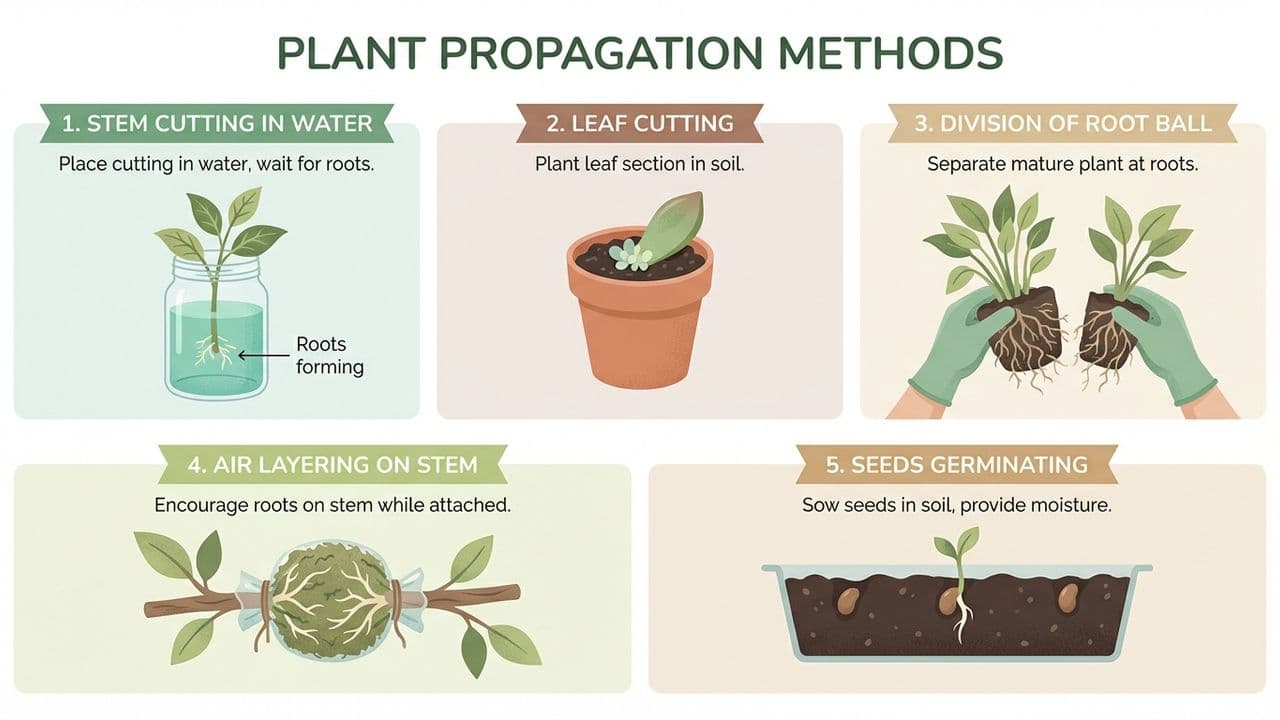
Method 1: Stem Cuttings in Water
This is the easiest method for beginners and works beautifully for Pothos, Monstera Deliciosa, and Spider Plant. Cut a 4-6 inch section of stem just below a node (the bump where leaves emerge). Remove lower leaves, place in clean water with nodes submerged, and wait for roots to develop.
Change the water weekly to prevent bacterial growth and maintain oxygen levels. Roots typically appear in 2-4 weeks. Once roots are 2-3 inches long, transplant to soil. The transition can be tricky—water roots are different from soil roots—so keep the soil consistently moist for the first few weeks.
Method 2: Stem Cuttings in Soil
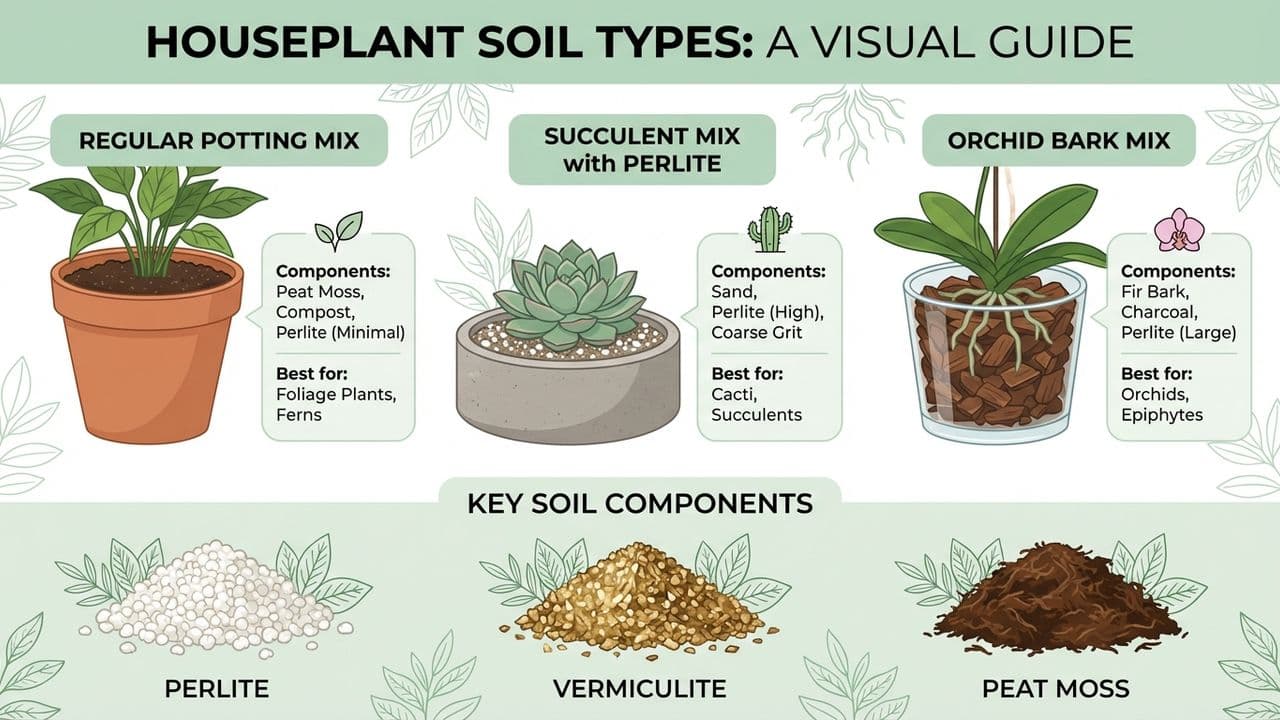
Direct soil propagation often produces sturdier plants since roots develop in their permanent medium. Take cuttings the same way, dip the cut end in rooting hormone (optional but helpful), and plant in moist, well-draining soil. This method works well for Rubber Plant, Fiddle Leaf Fig, and woody-stemmed plants.
Maintain high humidity by covering with a plastic bag or placing in a propagation box. Keep soil moist but not soggy. Gently tug on cuttings after 4-6 weeks—resistance indicates root development. Once established, gradually reduce humidity to acclimate plants to normal conditions.
Method 3: Division
Plants that grow in clumps can be divided into multiple specimens. Snake Plant, Peace Lily, ZZ Plant, and Spider Plant are excellent candidates. This method gives you instant full-sized plants rather than waiting for cuttings to mature.
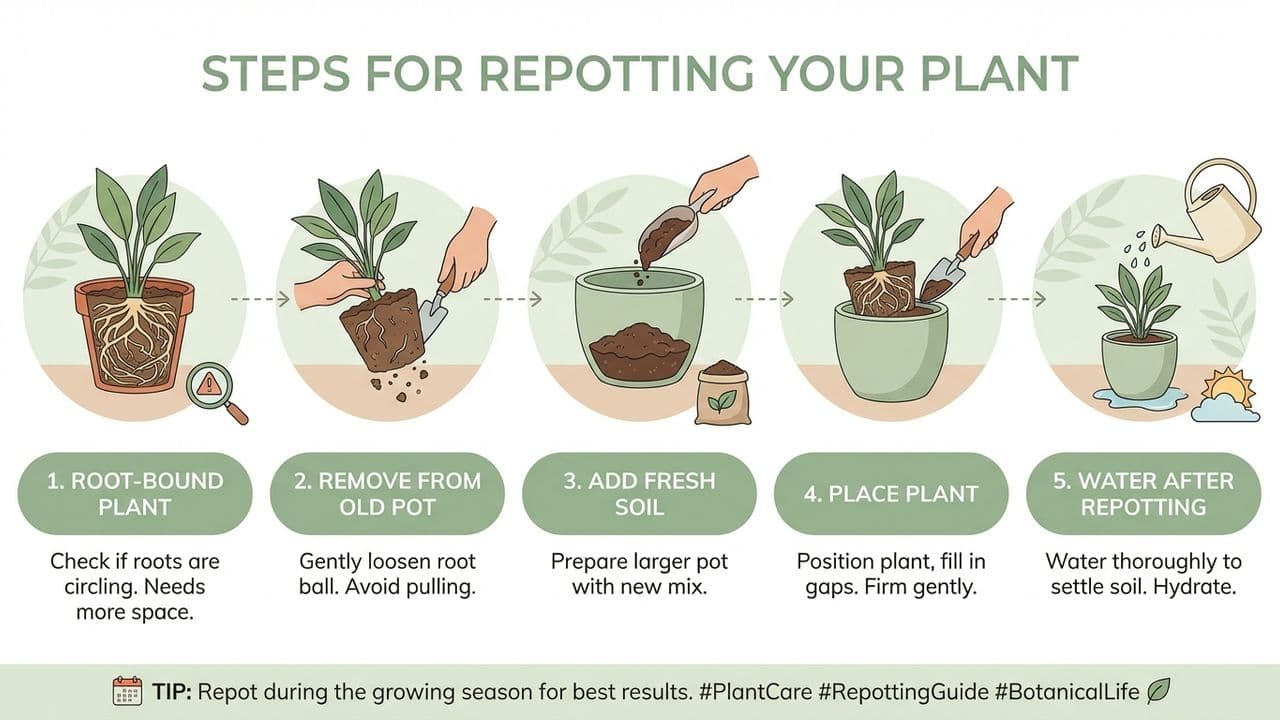
Remove the plant from its pot and gently separate the root ball into sections, ensuring each division has roots and at least a few leaves or stems. Plant divisions immediately in appropriate soil and water thoroughly. Keep them in lower light for a week while they recover from the division stress.
Method 4: Leaf Cuttings
Some plants can grow entirely new plants from a single leaf. Snake Plant is perfect for this—cut a leaf into 3-4 inch sections, remembering which end was 'up,' and plant them upright in soil. New plants emerge from the base after several weeks. Note that variegated varieties may not retain their patterns through leaf propagation.
African violets and begonias can also be propagated from leaves. Place the leaf on moist soil, pin it down if needed, and tiny plantlets will emerge from the veins. This method requires patience—it can take months—but produces multiple new plants from a single leaf.
Method 5: Air Layering
Air layering is ideal for plants that are difficult to root from cuttings, like Fiddle Leaf Fig and Rubber Plant. Make a small wound on a stem, wrap it with damp sphagnum moss, then cover with plastic wrap. Roots grow into the moss, and you can cut and pot the new plant once rooted.
This advanced technique is particularly useful for rejuvenating leggy plants. Instead of discarding the top of a stretched-out Fiddle Leaf Fig, air layer it first, then cut. You get a shorter, bushier original plant plus a new rooted top section.
Best Plants for Beginners
Pothos is the ultimate beginner propagation plant—cuttings root reliably in water, often in just a week or two. Spider Plant makes it even easier by producing ready-made baby plants (spiderettes) that can be snipped and planted directly. Snake Plant divisions are nearly foolproof.
Monstera Deliciosa propagates readily from stem cuttings with an aerial root. Just make sure each cutting has at least one node and ideally an aerial root nub. These cuttings root well in water or directly in soil and can produce new growth within a few weeks.
Propagation Tips for Success
Timing matters. Propagate during active growing seasons (spring and summer) when plants have the energy to produce new roots. Avoid propagating stressed, diseased, or newly repotted plants. Take more cuttings than you need—not all will succeed, and extras make great gifts.
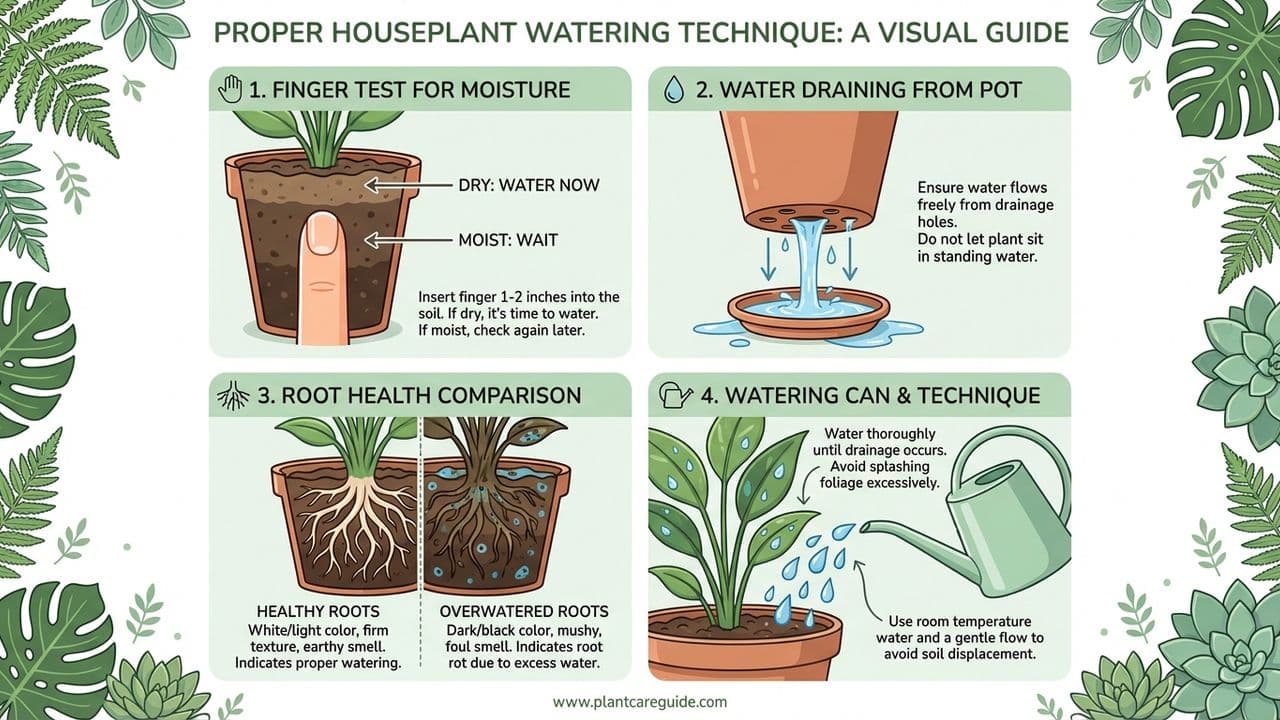
Rooting hormone is optional but increases success rates, especially for difficult plants. Keep cuttings in bright, indirect light and maintain warm temperatures (65-75°F). Be patient—some plants root quickly while others take months. Once rooted, see our watering guide and soil guide for care tips.