This guide contains affiliate links. We may earn a small commission if you purchase through our links, at no extra cost to you.
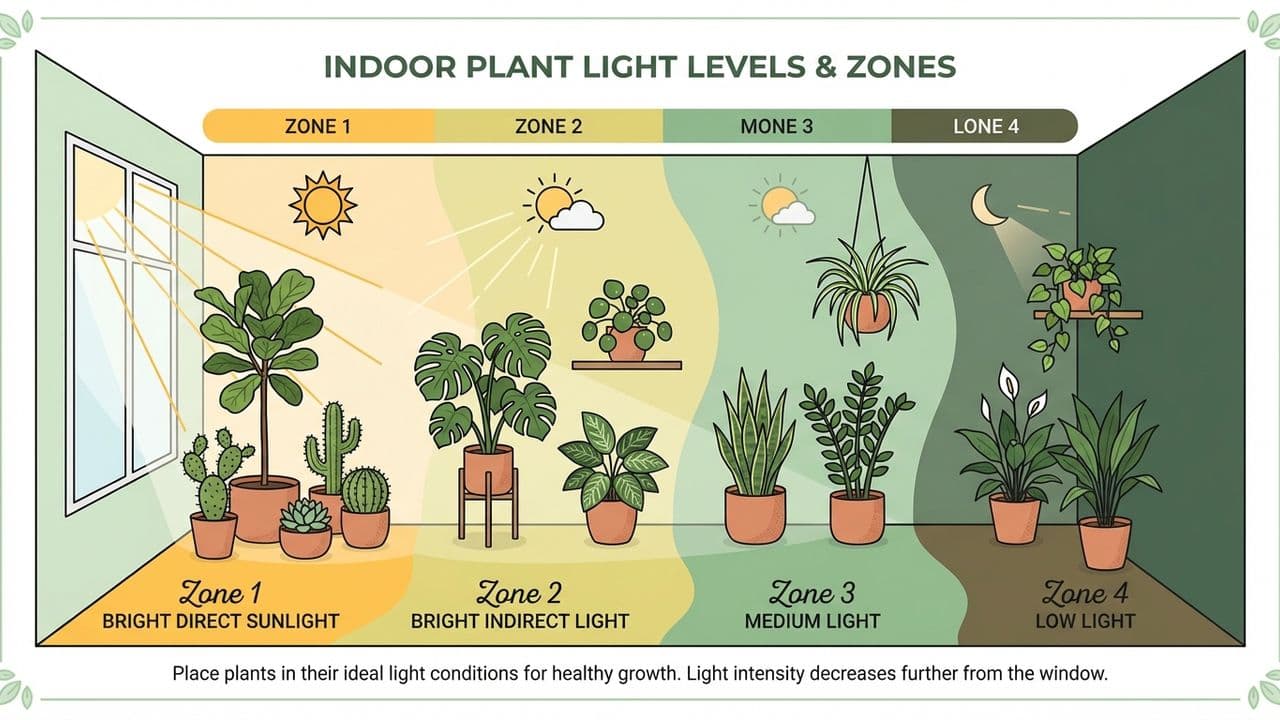
Dusty leaves aren't just an aesthetic problem—they're blocking your plant's ability to photosynthesize. A layer of dust can reduce light absorption by up to 25%, essentially dimming your plant's energy source even when your light conditions are ideal.
Why Clean Leaves Matter
Photosynthesis efficiency: Dust particles physically block light from reaching chlorophyll. Clean leaves absorb significantly more light energy.
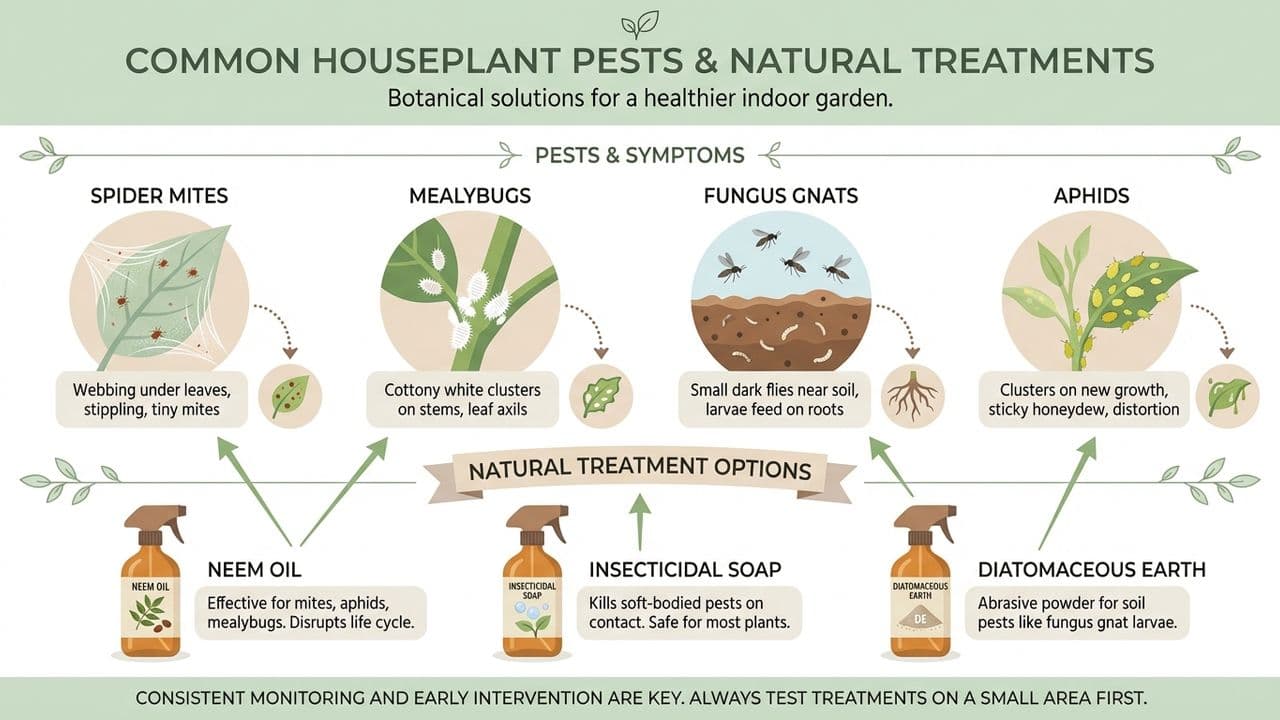
Pest prevention: Dust buildup creates hiding spots for spider mites and other pests. Regular cleaning helps you spot infestations early—see our Houseplant Pest Mastery Guide for identification and treatment strategies.
Stomata function: Tiny pores on leaves (stomata) regulate gas exchange and transpiration. Clogged stomata mean reduced CO2 intake and poor humidity regulation.
Disease prevention: Dust mixed with moisture creates conditions for fungal growth.
How Often to Clean
| Plant Type | Cleaning Frequency |
|---|---|
| Large, smooth leaves (Monstera, Fiddle Leaf) | Every 1-2 weeks |
| Medium leaves (Pothos, Philodendron) | Every 2-3 weeks |
| Fuzzy or textured leaves (African Violet) | Monthly (dry method only) |
| Cacti and succulents | Monthly or as needed |
Best Cleaning Methods
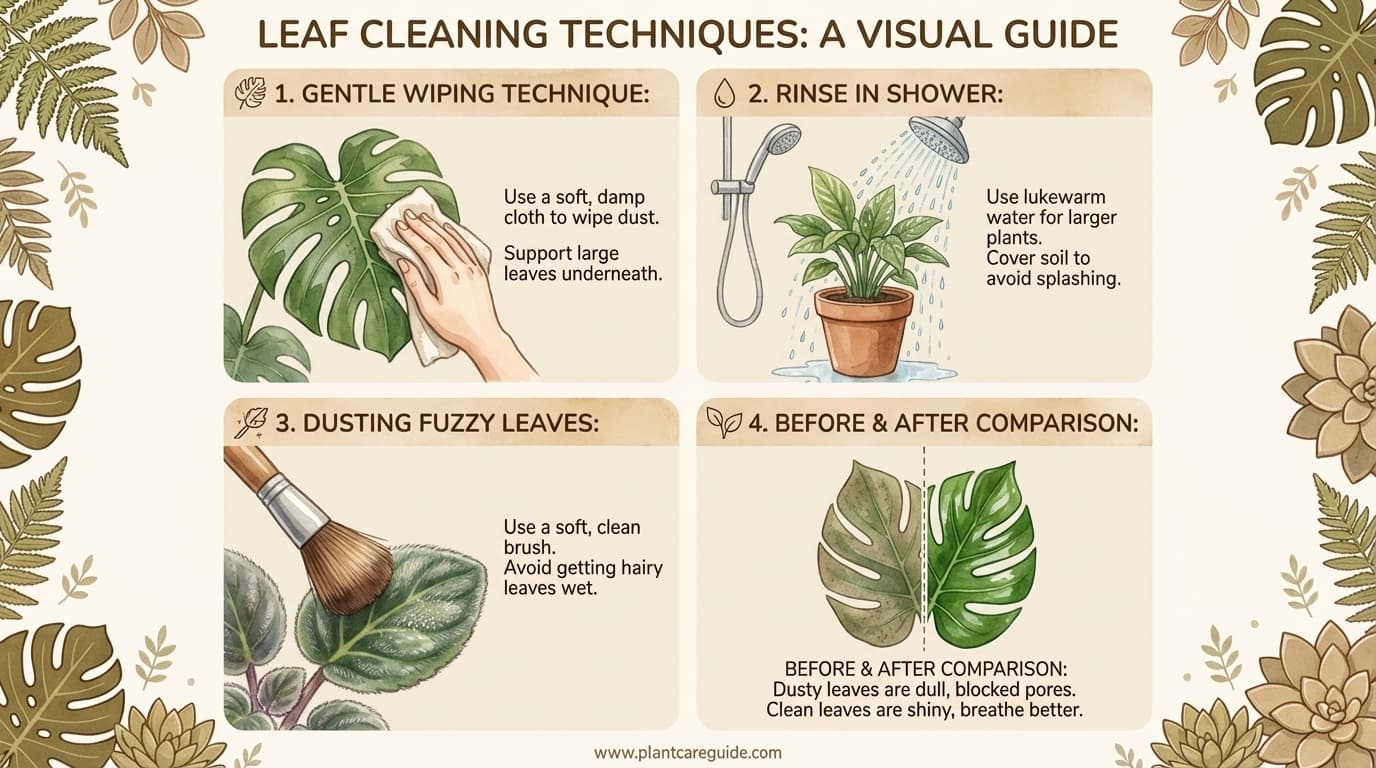
Method 1: Damp Cloth Wipe (Recommended)
Best for: Large, smooth leaves like Monstera, Rubber Plant, Peace Lily
- Dampen a soft microfiber cloth with room-temperature water
- Support each leaf from underneath with one hand
- Gently wipe from base to tip, following the leaf's natural direction
- Flip cloth and wipe the underside (where pests hide)
- Allow leaves to air dry
Pro tip: Add a drop of neem oil to your water for extra pest prevention.
Method 2: Shower Rinse
Best for: Multiple plants, heavily dusty foliage, small-to-medium leaves
- Place plants in shower or sink
- Use lukewarm, low-pressure water
- Rinse tops and undersides of all leaves
- Let excess water drain completely before returning to their spots
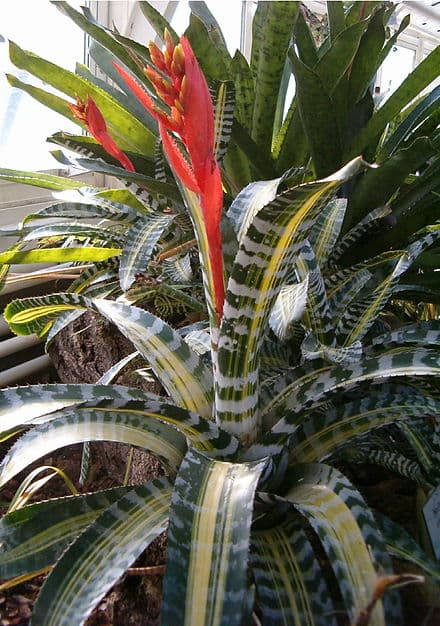
- Avoid getting water in the crown of rosette plants
Method 3: Soft Brush
Best for: Fuzzy leaves (African Violet), textured surfaces, cacti
- Use a soft plant brush or designated makeup brush
- Gently sweep dust away from the center outward
- Never wet fuzzy-leaved plants—water causes spotting
Method 4: Compressed Air
Best for: Cacti, succulents, plants with tight crevices
Use canned air on lowest setting, held 6+ inches away from the plant.
What About Leaf Shine Products?
Our recommendation: Skip them. Commercial leaf shine sprays coat leaves with oils or waxes that:
- Clog stomata and reduce gas exchange
- Attract more dust over time
- Can cause long-term leaf damage
If you want extra shine, add a tiny amount of diluted neem oil to your cleaning water. It provides subtle sheen while offering pest protection.
DIY Cleaning Solutions
Basic solution: Plain room-temperature water works for most plants
Mild cleaning boost: Mix 1 quart water with 2-3 drops of mild dish soap. Rinse afterward.
Pest-preventive solution: Add 1 teaspoon neem oil + 2 drops dish soap to 1 quart water
Avoid: Milk, mayonnaise, or olive oil "hacks"—they attract pests and promote fungal growth.
Cleaning Tips by Plant Type
- Snake Plant: Wipe vertically along each leaf. These can go 4-6 weeks between cleanings.
- Fiddle Leaf Fig: Support large leaves from below. Check for brown spots while cleaning.
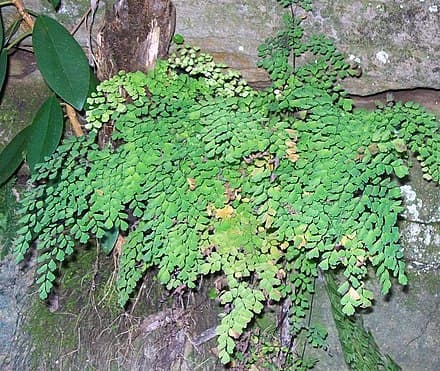
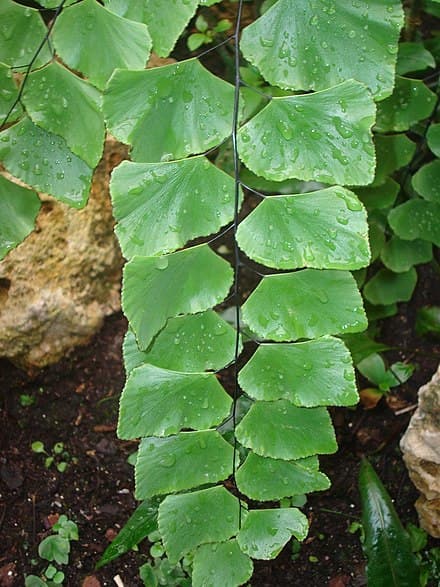
- Ferns: Use shower method only—individual frond wiping is impractical.
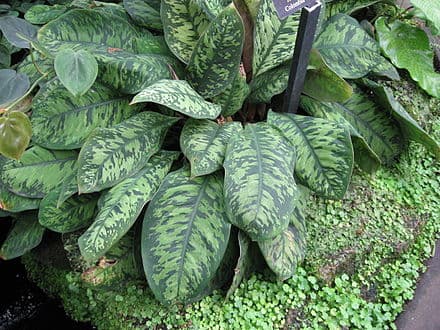
- Calathea: Wipe gently; their patterned leaves scratch easily.
Make It a Routine
Schedule leaf cleaning with your regular watering days. While you're inspecting for soil moisture, give leaves a quick check too. This combined routine takes just minutes but dramatically improves plant health.
Browse local nurseries for cleaning supplies like soft brushes and microfiber cloths specifically designed for plant care.