This article contains affiliate links. We may earn a commission if you make a purchase through our links, at no extra cost to you.
Your first houseplant sets the tone for your entire plant journey. Choose a demanding diva, and you'll convince yourself you have a black thumb. Choose something forgiving, and you'll build confidence that carries you toward a thriving indoor garden.
We've compiled the 10 best first houseplants—species that have survived generations of new plant parents, bouncing back from overwatering, underwatering, dim corners, and months of neglect. These plants don't just survive beginner mistakes. They thrive despite them.
For a complete overview of starting your plant journey, see our complete beginner's guide to houseplants.
What Makes a Plant Beginner-Friendly?
Before we dive into the list, let's establish what "beginner-friendly" actually means:
Tolerates inconsistent watering. You'll forget. You'll overwater. Beginner plants recover from both.
Adapts to various light conditions. Your apartment might not have perfect bright indirect light. Beginner plants manage in less-than-ideal situations.
Shows clear distress signals. The best starter plants communicate their needs visibly—drooping when thirsty, yellowing when overwatered—before damage becomes permanent.
Grows relatively quickly. Visible growth keeps you motivated. Watching new leaves unfurl is plant parenthood's greatest reward.
Doesn't require special conditions. No humidifiers, grow lights, or precise temperature ranges. Just basic care.
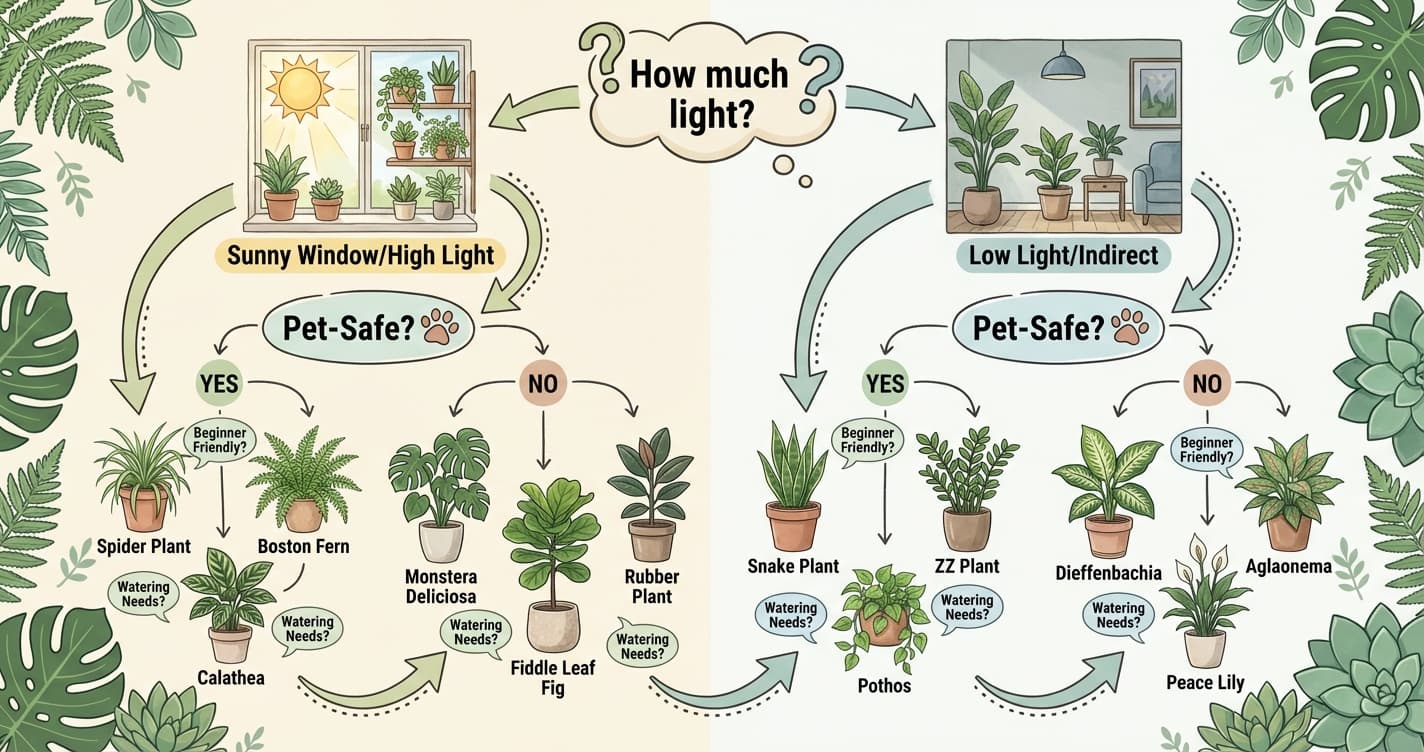
Not sure which plant matches your space? Our guide on how to choose your first houseplant walks you through the decision.
The 10 Best First Houseplants
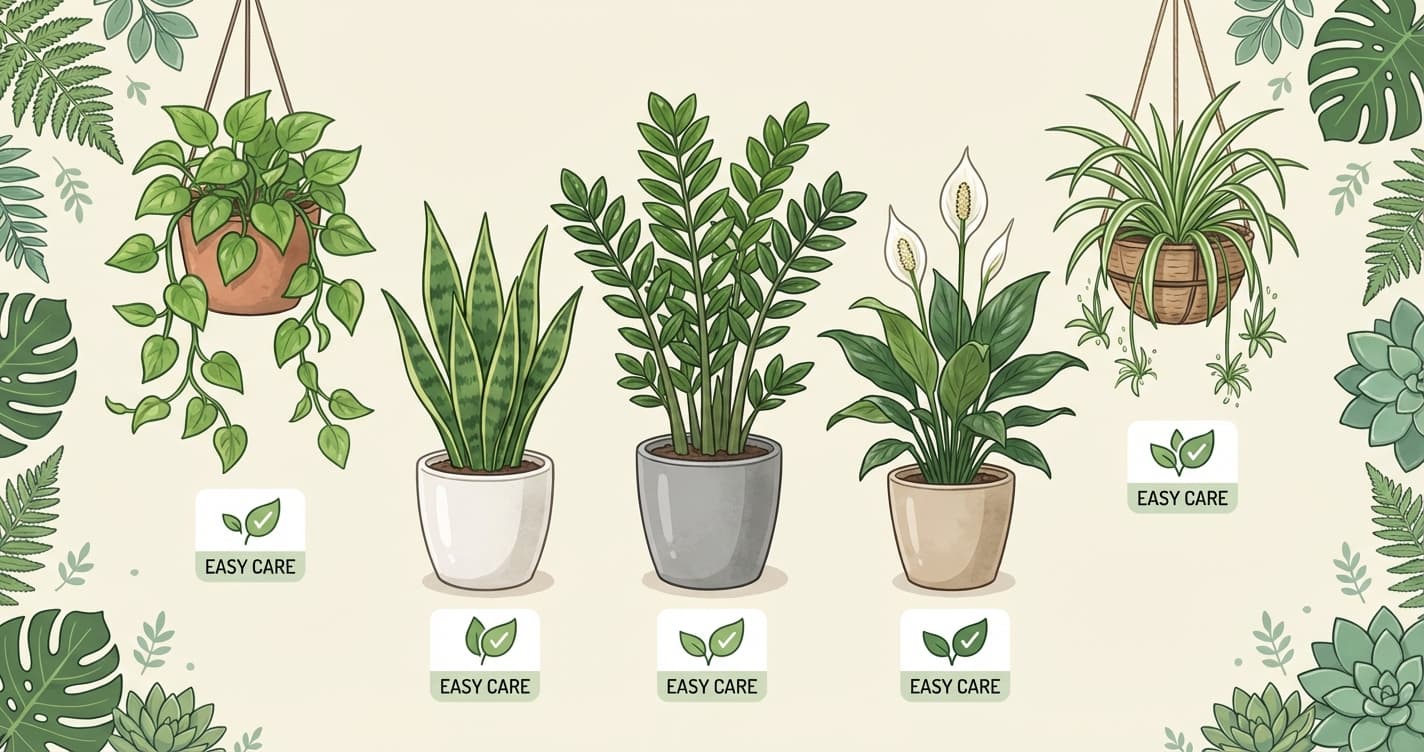
1. Pothos (Epipremnum aureum)
Best for: Almost everyone—the ultimate starter plant
If you can only buy one plant, make it a Pothos. This trailing vine has earned its reputation as the most forgiving houseplant in existence. It tolerates low light, irregular watering, dry air, and general neglect while still growing vigorously.
Why beginners love it:
- Survives in almost any light condition (except direct sun)
- Droops dramatically when thirsty, then perks right back up after watering
- Grows fast enough to provide visible progress
- Propagates easily—just snip and root in water
- Available everywhere, usually for under $15
Care at a glance:
- Light: Low to bright indirect
- Water: When top 2 inches of soil are dry
- Humidity: Tolerates average household humidity
- Growth rate: Fast
Watch out for: Pothos is toxic to pets if ingested. If you have curious cats or dogs, consider Spider Plant instead—it's one of the few truly pet-safe beginner plants.
Check Pothos availability at Amazon
2. Snake Plant (Sansevieria trifasciata)
Best for: Forgetful waterers and low-light spaces
The Snake Plant—also called Mother-in-Law's Tongue—is essentially indestructible. Its stiff, upright leaves store water like a succulent, allowing it to survive weeks (even months) without watering. In fact, the most common way to kill a Snake Plant is overwatering.
Why beginners love it:
- Thrives on neglect—actually prefers to dry out completely
- Tolerates the lowest light of any common houseplant
- Architectural, sculptural appearance adds instant style
- Air-purifying capabilities (NASA-studied)
- Comes in many varieties and sizes
Care at a glance:
- Light: Low to bright indirect (tolerates shade)
- Water: When soil is completely dry (every 2-6 weeks)
- Humidity: Very tolerant of dry air
- Growth rate: Slow
Pro tip: If you're prone to overwatering, the Snake Plant is your plant. It actually punishes you for caring too much.
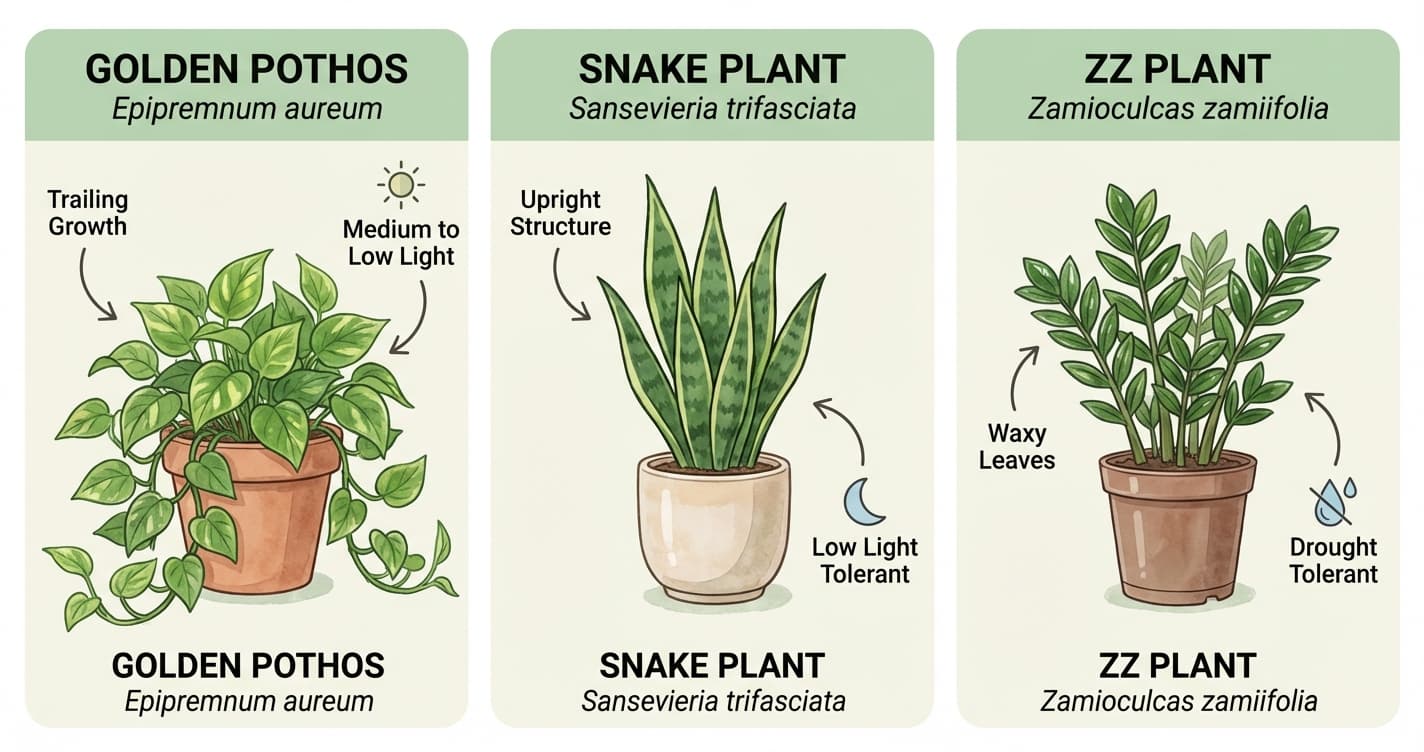
For a detailed comparison with other hardy options, see Pothos vs Snake Plant vs ZZ Plant.
3. ZZ Plant (Zamioculcas zamiifolia)
Best for: Frequent travelers and office settings
The ZZ Plant might be the most neglect-tolerant plant on Earth. Its thick, waxy leaves and underground rhizomes store water like a camel stores fat. It has survived in offices with no windows, gone months without water, and still managed to push out new growth.
Why beginners love it:
- Extreme drought tolerance (water monthly at most)
- Thrives in very low light conditions
- Glossy, architectural foliage looks expensive
- Virtually pest-free
- Grows slowly, so no constant repotting
Care at a glance:
- Light: Low to bright indirect (thrives in dim corners)
- Water: When soil is bone dry (every 3-4 weeks)
- Humidity: Very tolerant of dry air
- Growth rate: Slow
Watch out for: ZZ Plant is toxic to pets and humans if ingested. The sap can also irritate skin—wash hands after handling.
4. Spider Plant (Chlorophytum comosum)
Best for: Pet owners seeking a safe, easy plant
The Spider Plant is one of the few truly pet-safe beginner plants, making it essential for households with curious cats or dogs. Beyond safety, it's incredibly forgiving—thriving in various conditions and producing adorable "babies" that dangle from the mother plant.
Why beginners love it:
- Non-toxic to cats and dogs
- Produces plantlets you can share with friends
- Tolerates inconsistent watering remarkably well
- Adapts to a range of light conditions
- Fast-growing and visually rewarding
Care at a glance:
- Light: Medium to bright indirect
- Water: When top inch of soil is dry
- Humidity: Tolerates average household humidity
- Growth rate: Fast
Styling tip: Spider Plants look stunning in hanging baskets where their babies can cascade freely.
5. Peace Lily (Spathiphyllum)
Best for: People who want flowers and clear feedback
The Peace Lily does something brilliant: it tells you exactly when it needs water. When thirsty, it droops dramatically—almost theatrically. Water it, and within hours it's standing upright again. This built-in feedback loop makes it nearly impossible to underwater.
Why beginners love it:
- Dramatic drooping signals when to water
- Produces elegant white flowers without much fuss
- Tolerates low light better than most flowering plants
- Air-purifying properties
- Affordable and widely available
Care at a glance:
- Light: Low to medium indirect
- Water: When leaves start to droop (check soil first)
- Humidity: Prefers higher humidity but tolerates average
- Growth rate: Moderate
Watch out for: Peace Lily is toxic to pets. The dramatic drooping can also fool you—sometimes it droops from overwatering, not just underwatering. Always check the soil.
6. Monstera (Monstera deliciosa)
Best for: Statement-seekers who want Instagram-worthy growth
The Monstera—Swiss Cheese Plant—has become a design icon, and fortunately, it's actually beginner-friendly. Unlike many trendy plants, Monstera tolerates a range of conditions and grows quickly enough to stay motivating. Those famous split leaves (fenestrations) develop as the plant matures.
Why beginners love it:
- Dramatic, recognizable foliage
- Fast growth provides visible rewards
- Tolerates various light conditions
- Bounces back from most care mistakes
- Large presence from a single plant
Care at a glance:
- Light: Medium to bright indirect
- Water: When top 2 inches of soil are dry
- Humidity: Prefers moderate humidity
- Growth rate: Fast
Pro tip: Monstera grows toward light and can become lopsided. Rotate quarterly for even growth, or give it a moss pole to climb.
7. Aloe Vera (Aloe barbadensis miller)
Best for: Forgetful waterers wanting something functional
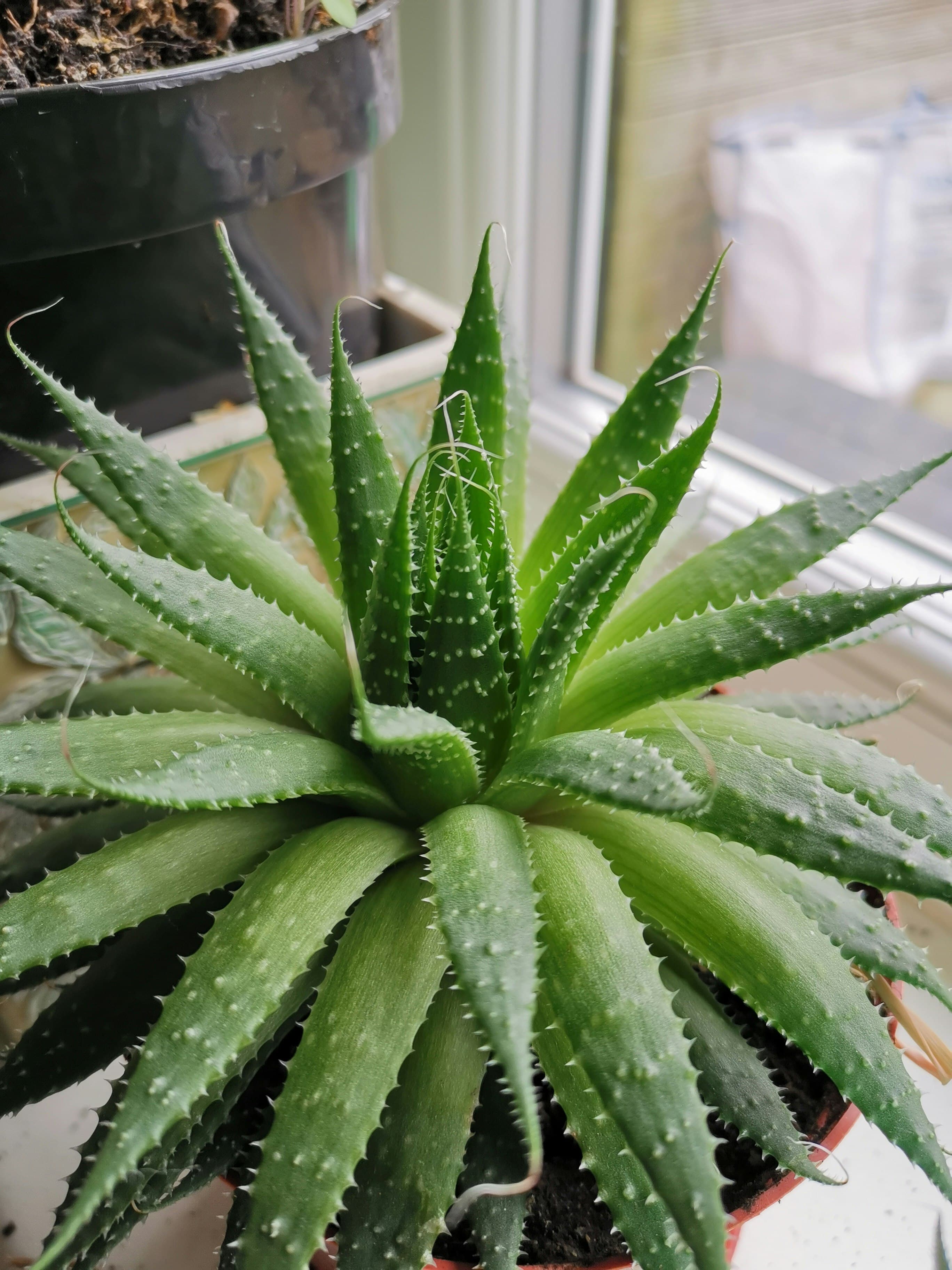
Aloe Vera is practically useful—the gel inside the leaves soothes minor burns, cuts, and skin irritations. As a succulent, it stores water in its leaves and prefers infrequent watering—perfect for forgetful caretakers.
Why beginners love it:
- Functional: gel helps heal minor skin issues
- Drought-tolerant—prefers to dry out
- Architectural appearance
- Produces offsets (pups) for propagation
Care at a glance:
- Light: Bright indirect to direct
- Water: When soil is completely dry (every 2-3 weeks)
- Humidity: Very tolerant of dry air
- Growth rate: Slow to moderate
Watch out for: Aloe Vera is toxic to cats and dogs if ingested. It also needs more light than most beginner plants. If your space is dim or you have pets, choose a lower-light option like Snake Plant or ZZ Plant, or the pet-safe Spider Plant.
8. Rubber Plant (Ficus elastica)
Best for: Those wanting a tree-like statement plant
The Rubber Plant delivers the impressive, tree-like presence of a Fiddle Leaf Fig without the temperamental care requirements. Its thick, glossy leaves come in deep green or stunning burgundy, and it grows into an impressive indoor tree over time.
Why beginners love it:
- Makes a bold visual statement
- More forgiving than other Ficus species
- Tolerates lower light than expected
- Grows into an impressive indoor tree
- Available in beautiful dark burgundy varieties
Care at a glance:
- Light: Medium to bright indirect
- Water: When top inch of soil is dry
- Humidity: Tolerates average household humidity
- Growth rate: Moderate to fast
Pro tip: If you've tried (and killed) a Fiddle Leaf Fig, try a Rubber Plant instead. Same dramatic presence, fraction of the difficulty.
9. Philodendron (Various species)
Best for: Variety-seekers who want options
Philodendrons encompass dozens of species, many of which make excellent beginner plants. The heart-leaf philodendron trails like Pothos; the Brasil variety adds striking yellow variegation; larger varieties like Philodendron Congo offer bold foliage. All share similar easy-care requirements.
Why beginners love it:
- Many varieties to choose from
- Similar care across species (once you learn one, you know them all)
- Tolerates various light conditions
- Fast-growing and satisfying
- Easy to propagate
Care at a glance:
- Light: Low to bright indirect (depending on variety)
- Water: When top 2 inches of soil are dry
- Humidity: Prefers moderate but tolerates average
- Growth rate: Moderate to fast
Best starter varieties: Heart-leaf philodendron, Brasil philodendron, or Philodendron Congo.
10. Chinese Evergreen (Aglaonema)
Best for: Color-lovers in lower-light spaces
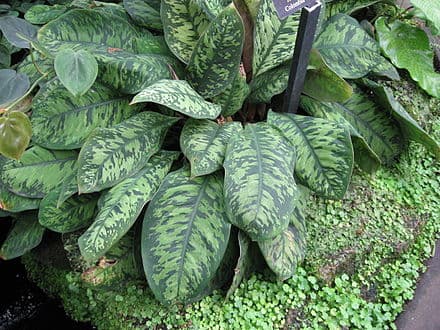
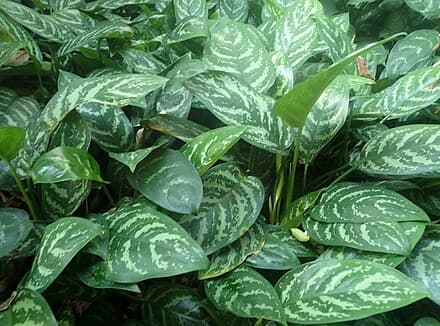
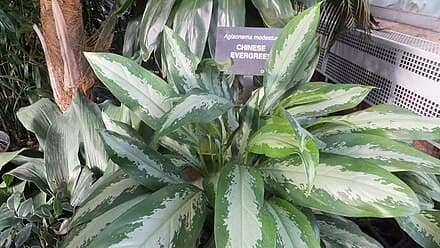
Chinese Evergreen offers something most low-light plants don't: stunning color. Varieties range from silver-splashed to pink-tinged to deep red. Despite their tropical appearance, they're remarkably tolerant of dim conditions and inconsistent care.
Why beginners love it:
- Beautiful color patterns in low light
- Extremely tolerant of neglect
- Slow-growing (less maintenance)
- Available in many color varieties
- Adapts to low humidity
Care at a glance:
- Light: Low to medium indirect
- Water: When top inch of soil is dry
- Humidity: Tolerates average household humidity
- Growth rate: Slow
Watch out for: Chinese Evergreen is toxic to pets. Also, more colorful varieties need slightly more light to maintain their patterns.
Quick Comparison Chart
| Plant | Light Needs | Water Frequency | Pet-Safe | Best Feature |
|---|---|---|---|---|
| Pothos | Low-bright | Weekly | No | Most forgiving |
| Snake Plant | Low-bright | Every 2-6 weeks | No | Thrives on neglect |
| ZZ Plant | Low-medium | Every 3-4 weeks | No | Extreme tolerance |
| Spider Plant | Medium-bright | Weekly | Yes | Safe for pets |
| Peace Lily | Low-medium | When droopy | No | Clear signals |
| Monstera | Medium-bright | Weekly | No | Statement plant |
| Aloe Vera | Bright | Every 2-3 weeks | No | Functional gel |
| Rubber Plant | Medium-bright | Weekly | No | Tree-like presence |
| Philodendron | Low-bright | Weekly | No | Variety |
| Chinese Evergreen | Low-medium | Weekly | No | Colorful foliage |
Which Should You Choose?
If you have pets: Spider Plant is your safest choice among these options. See our pet safety guide for more options.
If your space is dim: Snake Plant, ZZ Plant, or Pothos thrive in low light.
If you travel frequently: Snake Plant, ZZ Plant, or Aloe Vera handle extended dry periods.
If you want a statement piece: Monstera or Rubber Plant deliver visual impact.
If you want feedback: Peace Lily tells you exactly when it needs water.
If you're on a budget: Check our guide to budget houseplants under $20.
If you live in an apartment: See our picks for best houseplants for apartments.
Ready to Buy?
The best place to find healthy beginner plants is your local nursery. Staff can advise on local conditions, and plants are typically healthier than big-box store options.
Before you go:
- Assess your light conditions
- Decide how much attention you can realistically provide
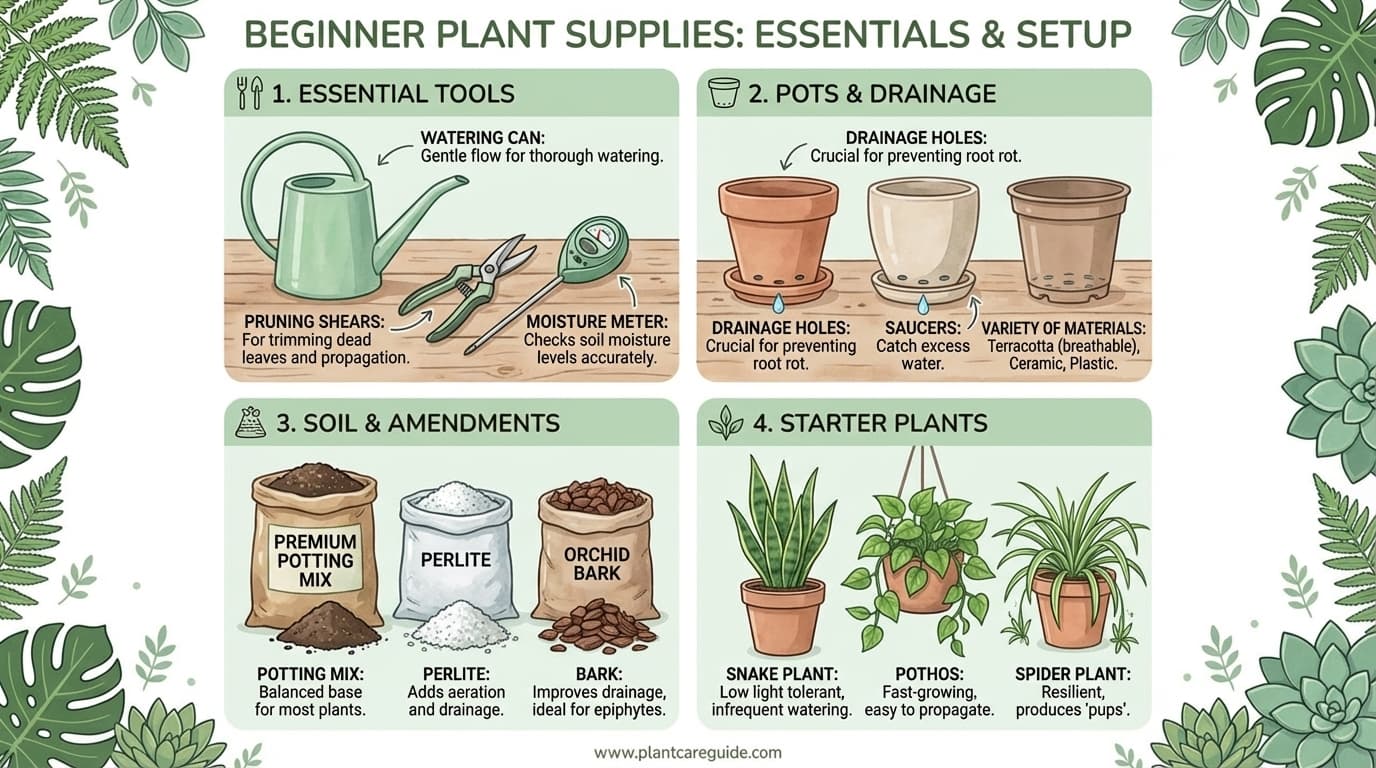
- Have pots with drainage ready
For a complete shopping list of supplies, see our houseplant starter kit guide.
Your Next Steps
Once you've brought home your first plant and successfully kept it alive for a few months, you'll be ready to expand. Our guide to your second houseplant helps you level up without overwhelming yourself.
And if something goes wrong? Don't panic. Our troubleshooting guide covers the most common problems and their solutions.
Welcome to plant parenthood. You've got this.