This article contains affiliate links. We may earn a commission if you make a purchase through our links, at no extra cost to you.
Here's a secret plant shops won't tell you: the $8 Pothos from your grocery store will thrive just as well as the $40 "premium" one from a boutique nursery. Your wallet doesn't determine your green thumb.
The best beginner plants happen to be the most affordable ones—partly because they're so easy to grow that nurseries can produce them in massive quantities. That's good news for you.
This guide reveals where to find quality plants without overpaying, which budget plants offer the best value, and the money-saving strategies that experienced plant people actually use.
For the complete beginner's guide, see our houseplant toolkit.
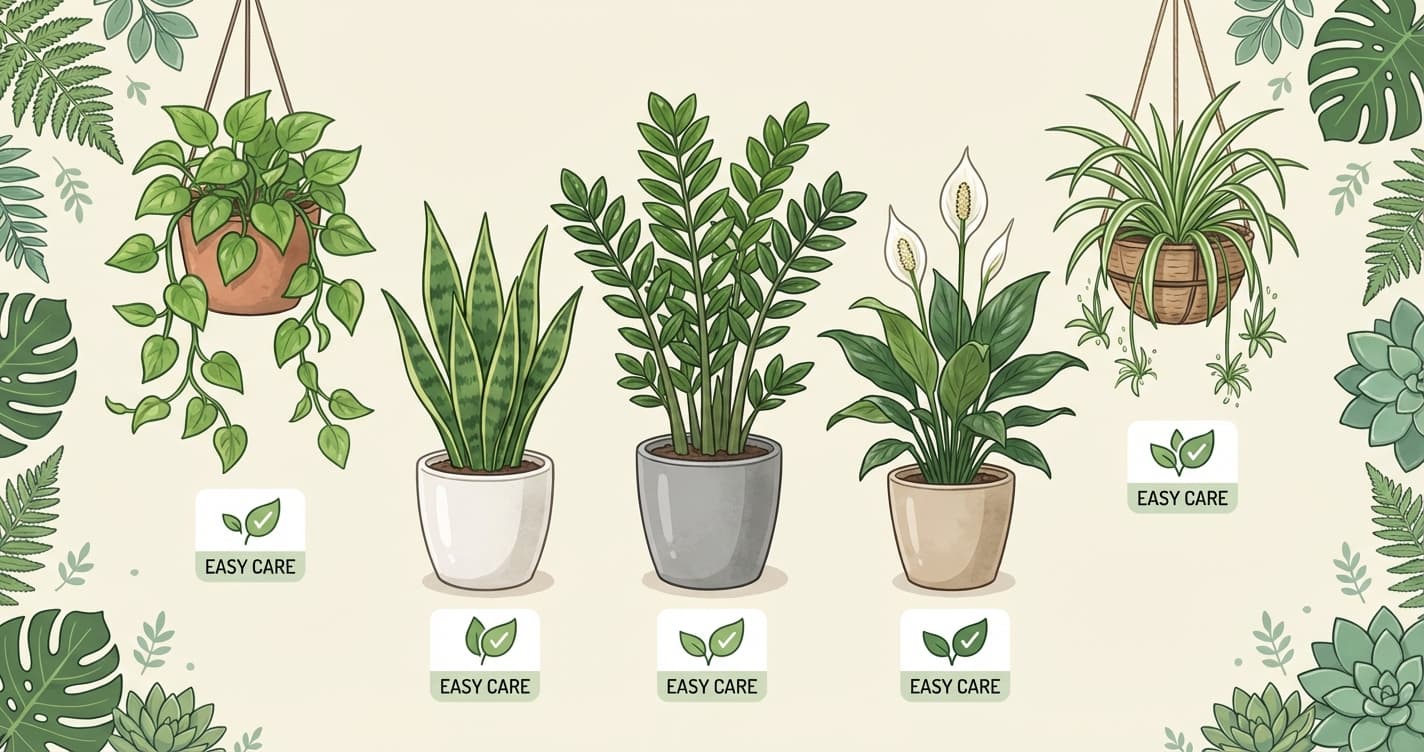
The 8 Best Budget Houseplants
1. Pothos — $5-15
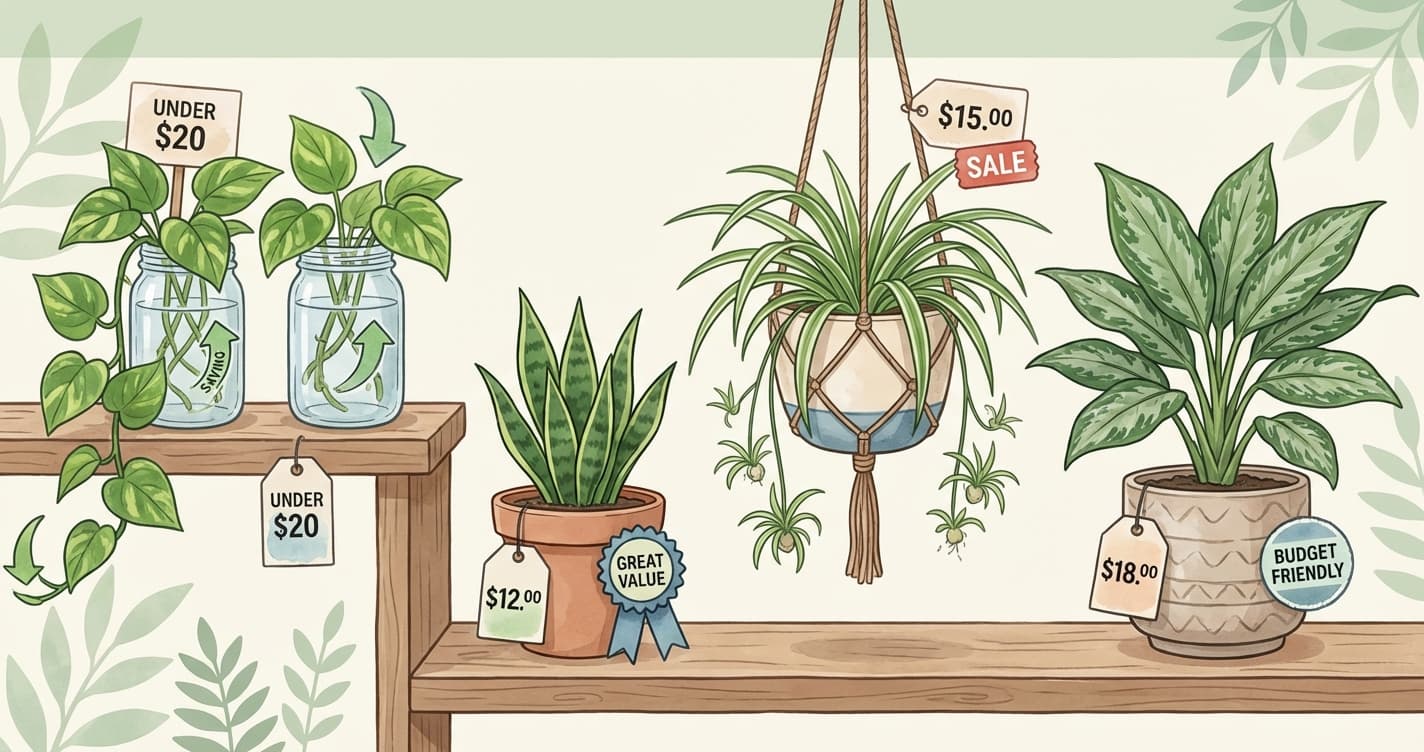
Pothos is the plant equivalent of compound interest. Buy one $8 pot today, and you'll have five plants within a year—for free.
Snip a few vines, stick them in water, and they root within weeks. Gift cuttings to friends, fill up your own shelves, or trade them for other plants. Every experienced plant person has a Pothos story that starts with one small purchase.
The value breakdown:
- 4" pots: $5-10 (grocery stores, Trader Joe's)
- 6" hanging baskets: $12-18 (nurseries, big box stores)
- Cuttings: Free from friends, plant swaps, or your own plants
Why it's the best budget starter: Available literally everywhere, grows visibly fast (satisfying for beginners), and tolerates the mistakes you'll inevitably make while learning.
Care: Low to bright indirect light, water when top inch is dry. Full care guide →
2. Spider Plant — $8-15
Spider Plant comes with a bonus: it makes babies. Lots of them.
A mature Spider Plant sends out long stems with miniature plants dangling from the ends—free, ready-to-root plantlets. Snip them off, pot them up, and suddenly you've got plants for every room (and gifts for every friend's housewarming).
The real value: It's one of the few pet-safe beginner plants. Cat and dog owners pay a premium for pet-friendly varieties elsewhere. Spider Plant gives you that safety at grocery store prices.
Price points:
- Small pots: $8-12 (big box stores)
- Mature plants with babies: $12-18 (nurseries)
- Babies/cuttings: Free from established plants
Care: Medium to bright indirect light, water when top inch is dry. Full care guide →
3. Snake Plant — $10-20
Snake Plant is the plant you won't kill—which makes it the cheapest plant you'll ever buy.
Think about cost-per-year-of-life. That $15 Snake Plant will live for decades with barely any attention. Water it twice a month, give it whatever light you have, and watch it... just exist. Happily. For years.
Hidden value: You'll never replace it. No replacement costs, no buying a "new one" after you accidentally killed the first. It's the Toyota Corolla of houseplants—boring reliability at a boring price.
Where to score deals:
- IKEA: Best prices, often under $12 for small specimens
- Target: $10-15 range, decent selection
- Trader Joe's: Seasonal, but excellent prices when available
Care: Low to bright indirect light, water every 2-4 weeks. Full care guide →
4. ZZ Plant — $12-20
ZZ Plant used to be expensive. Then nurseries figured out how to mass-produce it, and now you can grab one at Home Depot for under $20.
What used to be a $50+ specialty plant is now mainstream—same indestructibility, half the price. ZZ survives in conditions that would kill anything else: dark corners, month-long watering neglect, air so dry it cracks your lips.
Price advantage: ZZ's slow growth is a feature, not a bug. It won't outgrow its pot for years, so you skip the repotting costs that faster-growing plants demand.
Current pricing:
- Small (4-6"): $12-18 at big box stores
- Medium: $18-25 at nurseries
- Raven ZZ (black variety): $20-30 (slight premium)
Care: Low to medium light, water monthly. Full care guide →
5. Peace Lily — $10-18
Peace Lily gives you something rare at this price: flowers.
Most flowering plants either need bright light, fussy conditions, or cost significantly more. Peace Lily blooms in the dim corner of your apartment, asks for little, and tells you exactly when it needs water (it droops dramatically, then perks right back up after watering).
The budget flowering option: Orchids cost $20-40 and die after blooming. African Violets need specific conditions. Peace Lily blooms repeatedly, tolerates low light, and costs less than a large pizza.
Best sources:
- Grocery stores (check by the floral section): $10-15
- Costco (when available): Large specimens at small prices
- Trader Joe's: Reliable quality, fair prices
Care: Low to medium light, water when leaves droop slightly. Full care guide →
6. Philodendron — $8-18
Philodendron is Pothos's slightly more refined cousin—same easy care, same budget pricing, slightly more variety.
Heart-leaf Philodendron climbs and trails. Brasil has striped variegation. Birkin has white pinstripes. All of them fall in the budget range, all propagate easily, and all grow fast enough to feel rewarding.
Best budget picks:
- Heart-leaf Philodendron: $8-12 (everywhere)
- Philodendron Brasil: $10-15 (slightly variegated)
- Philodendron Birkin: $12-18 (pushing budget limits, but worth it for the look)
The growth payoff: Philodendrons grow fast. A $10 purchase fills a shelf within months—instant visual impact for minimal investment.
Care: Low to medium light, water when top 2 inches are dry.
7. Chinese Evergreen — $12-20
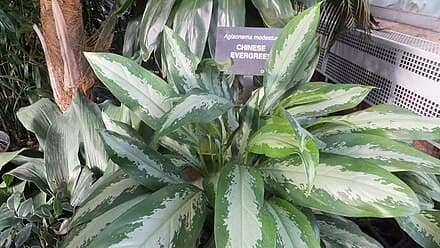
Chinese Evergreen breaks the budget plant pattern: it's colorful.
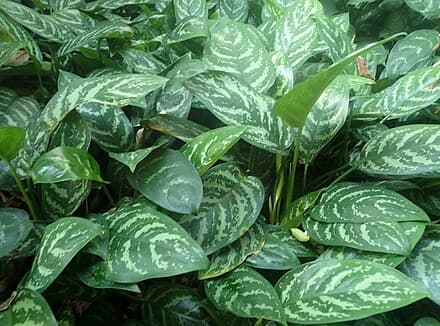
Most affordable plants are green, green, and more green. Chinese Evergreen offers silver splashes, pink edges, red veins—actual color at dim-corner-of-the-room prices.
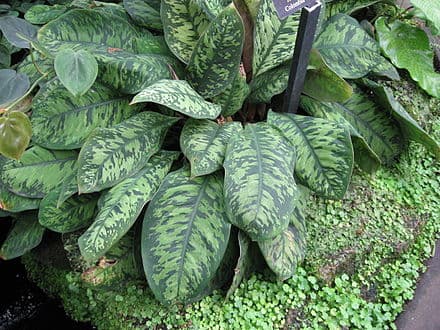
Color without the premium: Patterned plants like Calathea or Alocasia often cost $30-60 and demand humidity levels your apartment can't provide. Chinese Evergreen looks almost as interesting, costs half as much, and survives neglect that would kill its fancier cousins.
Varieties in the $12-20 range:
- Silver Bay: Silver-green, extremely common
- Maria: Dark green with silver
- Red Siam: Green with pink/red edges
Care: Low to medium light, water when top inch is dry.
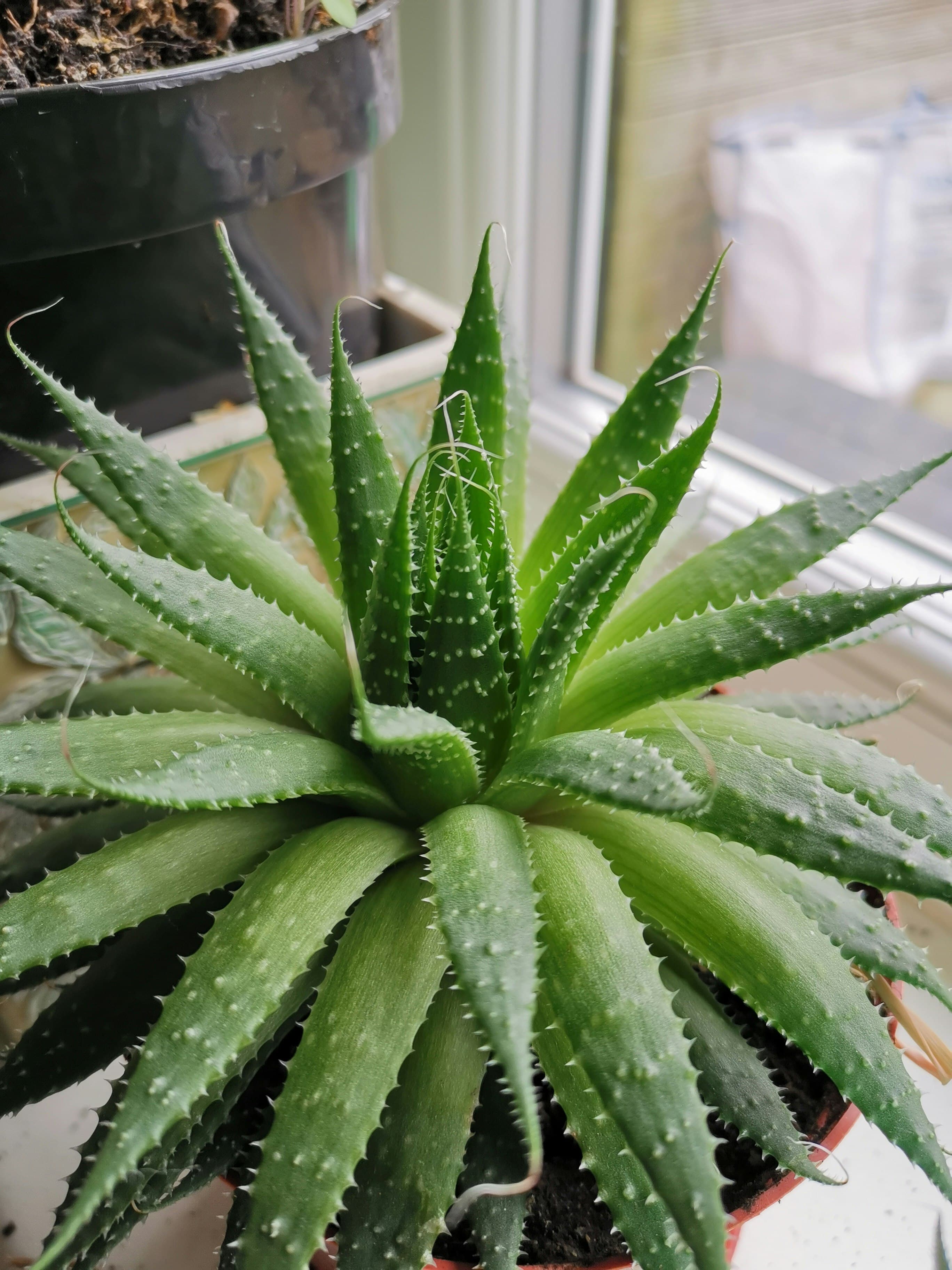
8. Aloe Vera — $8-15
Aloe Vera is the only plant on this list you can literally use.
Burn yourself cooking? Break off a leaf, squeeze out the gel, apply it. Sunburn? Same thing. It's a first-aid kit disguised as a houseplant, and it costs less than the fancy burn cream you'd buy at the pharmacy.
Bonus value: Aloe produces "pups"—baby plants that sprout around the base. Repot them, and suddenly you have backup Aloes for the kitchen, bathroom, or to give away.
Where to find it:
- Grocery stores: Often near the floral section, $8-12
- Pharmacies (yes, really): CVS and Walgreens sometimes carry them
- Hardware stores: $10-15
Note: Despite its medicinal uses for humans, Aloe is toxic to cats and dogs if they eat it. Keep it out of pet reach.
Care: Bright light (more than most plants on this list), water when completely dry. Full care guide →
Where to Find Budget Plants
Nurseries charge nursery prices. If you want budget plants, shop where plants aren't the main business.
The Budget Plant Hierarchy
Tier 1: Best Value
IKEA — The budget plant champion. Snake Plants for $10, Pothos for $5, quality that's surprisingly good. Downside: limited selection, inconsistent stock.
Trader Joe's — Phenomenal prices when they have what you want. Problem: They might not have what you want. Show up early for best selection, and expect the inventory to change weekly.
Grocery stores — Check the floral section. Pothos, Peace Lily, and Aloe regularly show up at $8-12. Not where you'd expect to buy plants, but the prices are right.
Tier 2: Good Selection, Fair Prices
Home Depot / Lowe's — Wide variety, competitive pricing. Quality varies wildly by location. Find a store with a dedicated garden center employee, and you've found your spot.
Costco — When they have plants, they have deals. Large specimens at small-plant prices. Seasonal and unpredictable, but worth checking.
Tier 3: Convenience Premium
Target / Walmart — Basic plants at marginally higher prices. You're paying for the convenience of one-stop shopping. Not a budget destination, but not a rip-off either.
When to Shop
Best timing:
- Spring (fresh inventory, plants emerging from dormancy)
- Week after Valentine's Day and Mother's Day (clearance racks)
- Late September (end-of-season markdowns)
Worst timing:
- December-February (stressed plants, limited selection)
- Valentine's Day / Mother's Day week (premium pricing)
Stretch Your Budget Further
Propagation (Free Plants Forever)
Many budget plants propagate easily, turning one purchase into many:
Pothos: Cut a vine section with 2-3 nodes, root in water for 2-4 weeks, pot in soil.
Spider Plant: Clip babies that dangle from the mother plant, root in water or soil.
Snake Plant: Separate pups when repotting; each becomes a new plant.
See our propagation guide for detailed instructions.
Plant Swaps and Groups
Facebook Marketplace: Locals often sell or trade cuttings for $1-5.
Reddit r/TakeAPlantLeaveAPlant: Trading community for cuttings.
Nextdoor: Neighbors frequently give away or sell cuttings cheaply.
Local plant swap events: Check plant shops and community boards.
Budget Supply Tips
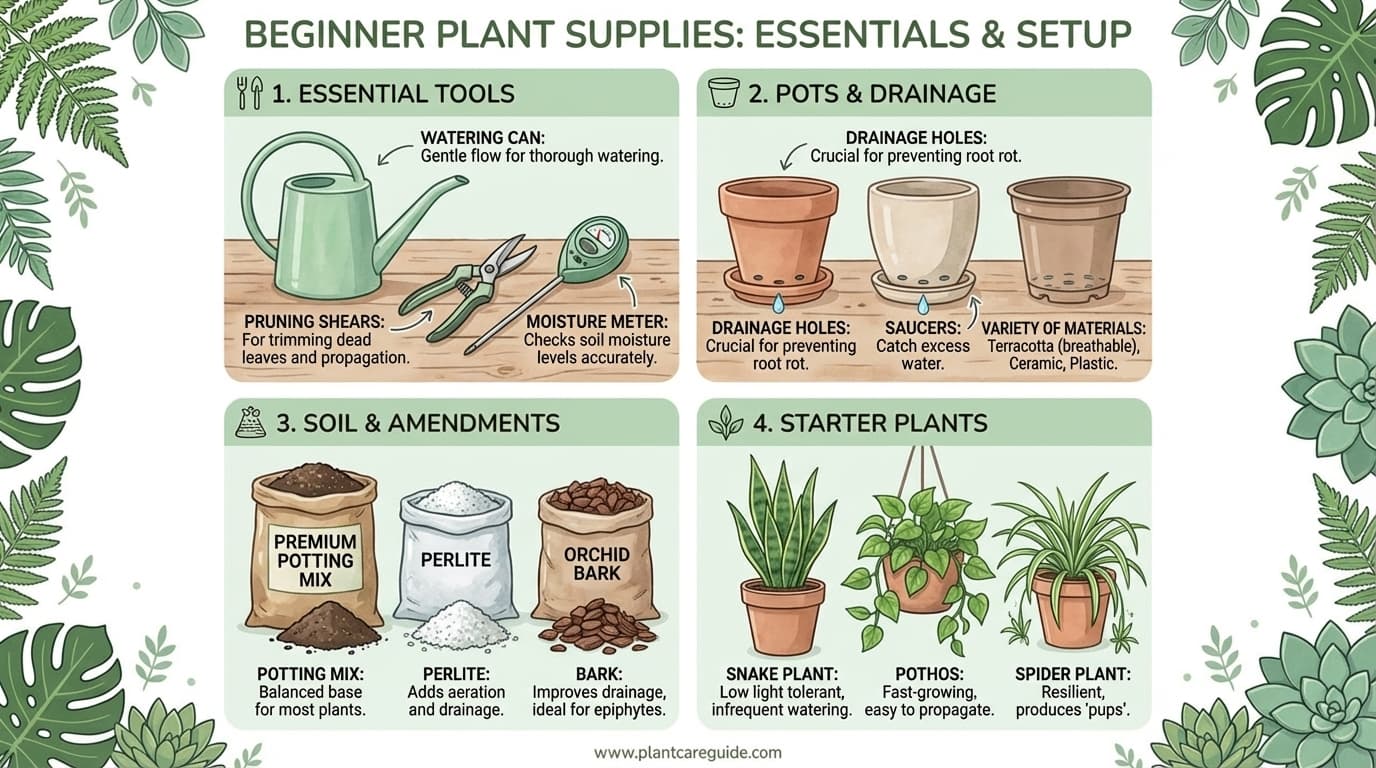
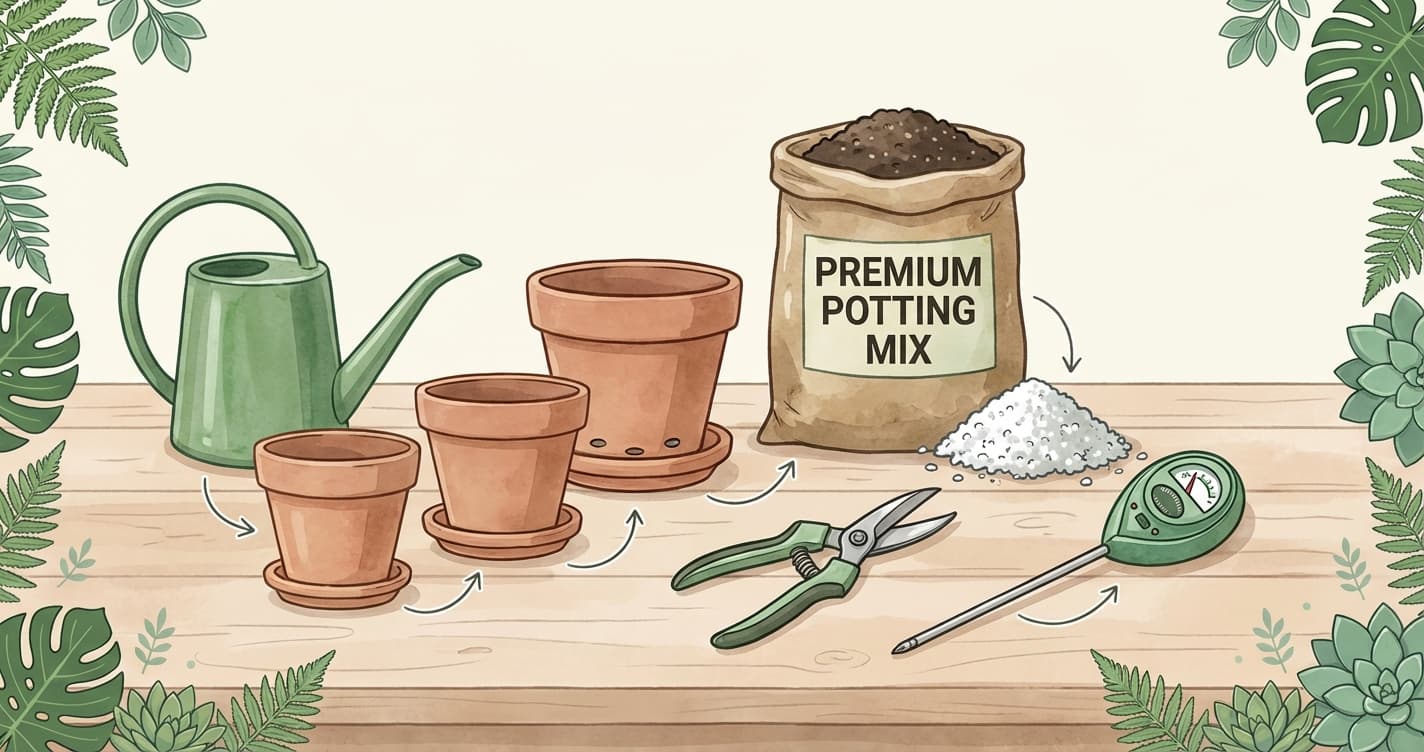
Pots: Dollar stores sell basic containers. Or grab a set of nursery pots for under $10. Repurpose food containers with drainage holes drilled.
Soil: Buy larger bags of potting mix (more economical per volume). Store in sealed containers.
Saucers: Dollar store finds. Takeout container lids work too.
See our starter kit guide for complete supply recommendations.
Sample Budget Collections
$30 Starter Collection
- Pothos (4" pot): $10
- Snake Plant (small): $12
- Basic supplies: $8-10
$50 Variety Collection
- Pothos: $10
- Snake Plant: $12
- Spider Plant: $10
- Peace Lily: $12
- Basic supplies: $8
$75 Statement Collection
- ZZ Plant (medium): $18
- Snake Plant (medium): $15
- Pothos (6" pot): $15
- Peace Lily: $12
- Full supply kit: $15-20
What About Expensive Plants?
You've probably noticed the plants Instagram loves aren't on this list. Monstera, Fiddle Leaf Fig, Pink Princess Philodendron, anything with "variegated" in the name—they cost more, and there's a reason.
The Expensive Plant Trap
New plant people often make this mistake: they fall in love with a $60 Fiddle Leaf Fig, buy it as their first plant, and watch it slowly die. Then they conclude they're "bad at plants."
They're not bad at plants. They just started on hard mode.
Expensive plants are expensive because they're:
- Harder to propagate (slower reproduction = higher prices)
- More demanding about conditions (less tolerance for mistakes)
- More visually dramatic (you're paying for aesthetics)
Budget plants are cheap precisely because they're easy—they grow fast, propagate easily, and tolerate neglect. That's what you want while learning.
The Progression Path
Here's how experienced plant people build collections:
Stage 1: Free to $15 Start with Pothos, Snake Plant, Spider Plant. Learn watering, light assessment, and basic troubleshooting. Keep things alive for 3-6 months.
Stage 2: $15-30 Graduate to Monstera (deliciosa, not rare varieties), Rubber Plant, Dracaena, larger specimens. You've proven basic skills; now test them.
Stage 3: $30-60 Fiddle Leaf Fig, Alocasia, Bird of Paradise—plants that punish mistakes. Only buy these once you can diagnose and fix problems quickly.
Stage 4: $60+ Rare varieties, variegated plants, specialty species. At this point, you know what you're doing and can justify the investment.
The Bottom Line
That gorgeous $80 plant on Instagram? It'll still be there in six months. Build your skills first, invest later. The plants aren't going anywhere—and neither is your budget.
For more on choosing wisely, see how to choose your first houseplant.
Your First Move
Skip the nursery. Go to IKEA, Trader Joe's, or your nearest grocery store. Grab a single Pothos or Snake Plant for under $15. Bring it home, keep it alive for three months, and propagate it.
By then, you'll have learned more about plant care than any guide can teach—and you'll have done it without risking a single expensive plant.
Ready to start?
- Assess your light to pick the right plant
- Grab the basics (under $30 total)
- Find a local spot if you prefer shopping in person
- Learn the care fundamentals to keep your first plant thriving
Your budget doesn't limit your collection. Your knowledge does—and that's free to build.