This guide contains affiliate links. We may earn a small commission if you purchase through our links, at no extra cost to you.
Repotting terrifies many plant parents. What if the plant goes into shock? What if the roots are damaged? Here's the truth: plants are resilient, and most actually benefit from periodic repotting. With the right technique, you can upgrade your plant's home with minimal stress for both of you.
Signs Your Plant Needs Repotting
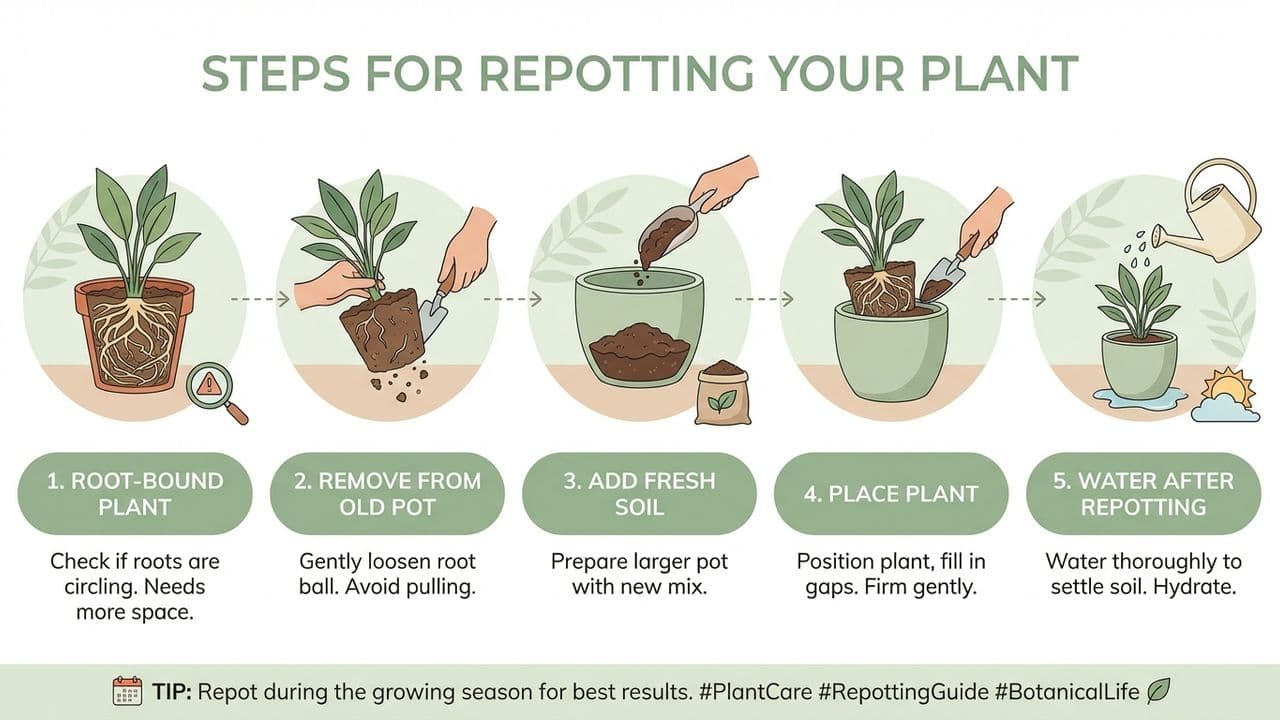
Roots circling the bottom or emerging from drainage holes are the clearest sign. Water running straight through without absorbing indicates the root ball is too dense. If your Monstera Deliciosa dries out within a day or two of watering, it's likely rootbound and needs more soil to hold moisture.
Stunted growth despite proper care, top-heavy plants that tip over, or soil that's pulling away from the pot edges all suggest repotting time. However, some plants like Peace Lily and Snake Plant actually bloom better when slightly rootbound, so don't rush to repot every plant.
When to Repot
Spring is ideal—plants are entering their active growth phase and recover quickly. Avoid repotting in winter when growth slows and roots are sluggish. Summer repotting is okay but stresses plants more due to heat. Never repot a plant that's already stressed, flowering, or fighting pests.
Most houseplants need repotting every 1-2 years. Fast growers like Pothos may need annual upgrades. Slow growers like ZZ Plant and Rubber Plant can often wait 2-3 years. When in doubt, check the roots—if they're circling but not extremely dense, you can wait another season.
Choosing the Right Pot
Go up only 1-2 inches in diameter. A pot too large holds excess water around the roots, leading to rot—especially deadly for plants like Snake Plant and ZZ Plant. Always choose pots with drainage holes. Decorative cache pots without drainage are fine as outer covers, but the growing pot needs drainage.
Material matters too. Terracotta pots are porous, drying faster—great for overwater-prone plants and succulents. Plastic retains moisture longer, suitable for plants like Peace Lily that prefer consistent dampness. Ceramic offers middle ground aesthetics with varying porosity depending on the glaze.
The Repotting Process
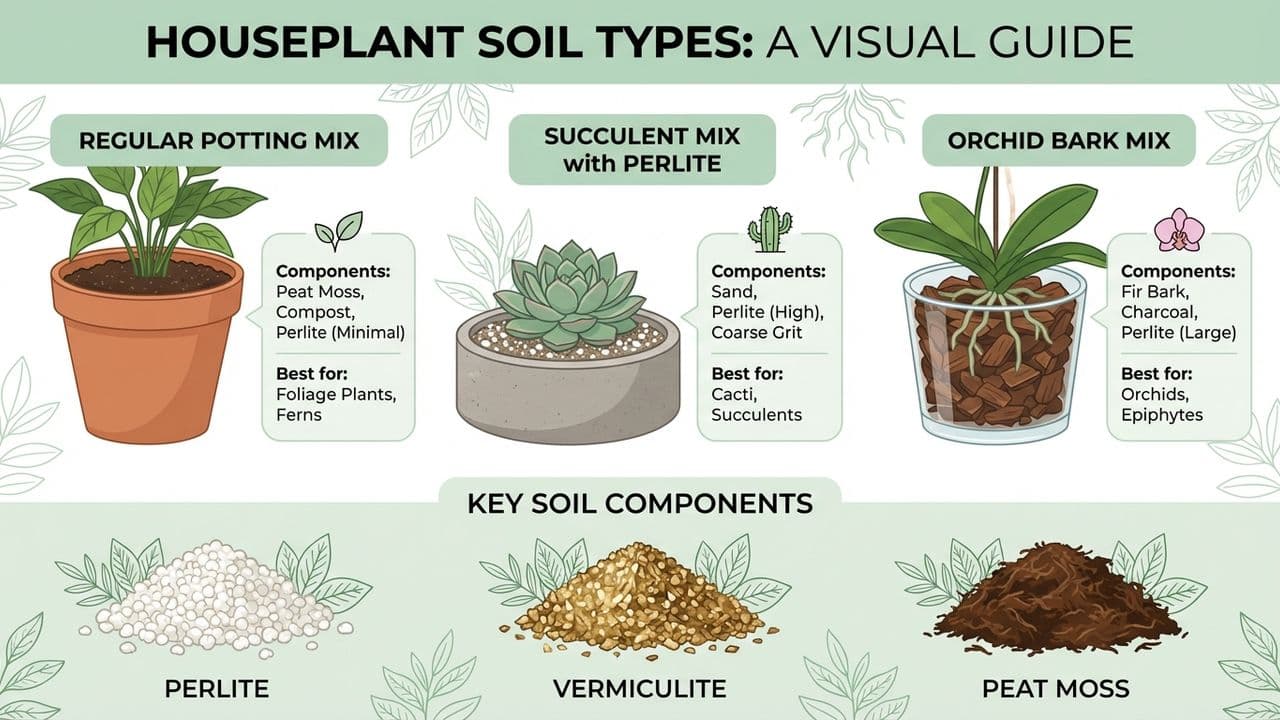
Water your plant a day or two before repotting—moist roots are easier to work with and less prone to damage. Prepare your new pot with fresh potting mix appropriate for your plant (see our soil selection guide). Add enough soil to position the plant at the same depth it was growing before.
Gently remove the plant from its old pot. If stuck, run a knife around the inside edge or squeeze plastic pots to loosen. Carefully tease out circling roots—this is critical, as roots that continue circling will eventually strangle the plant. Trim any dead, black, or mushy roots with clean pruning shears.
Place the plant in the new pot, fill around with soil, and gently firm to eliminate air pockets. Leave about half an inch of space at the top for watering. Water thoroughly to settle the soil, adding more if the level drops significantly.
Post-Repotting Care
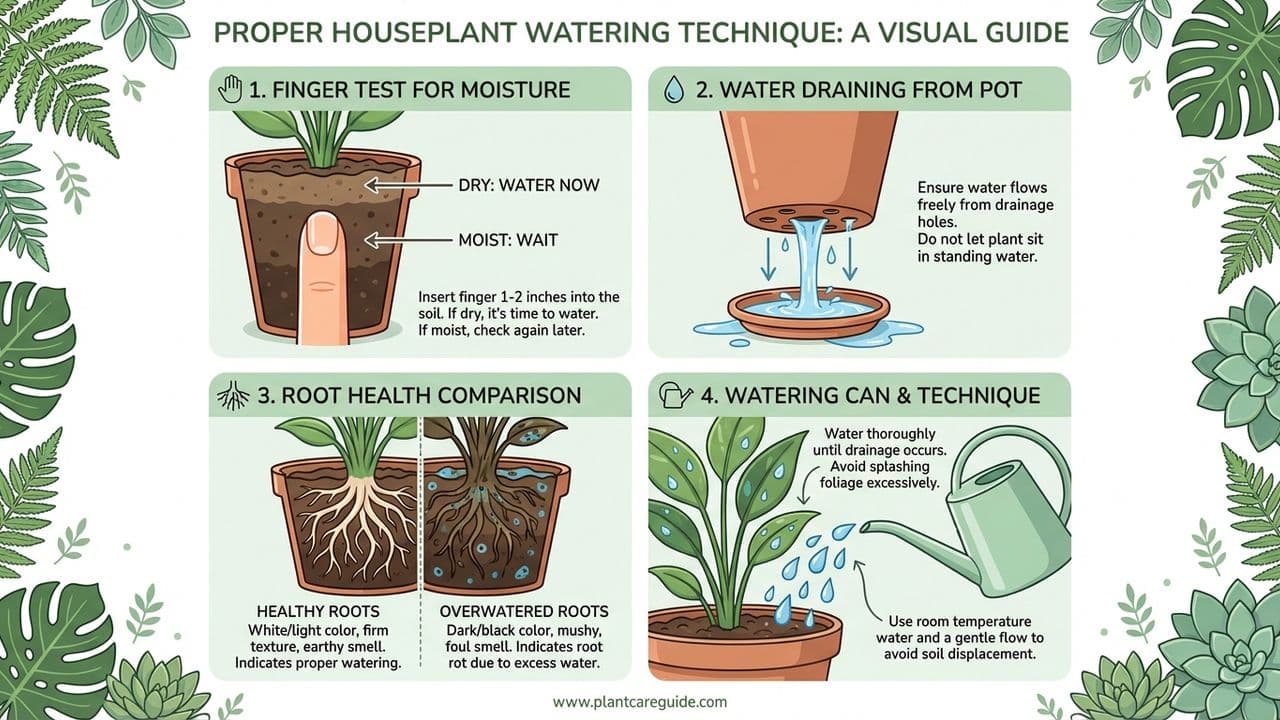
Keep newly repotted plants in lower light for a week to reduce stress. Don't fertilize for 4-6 weeks—fresh potting mix contains nutrients, and fertilizing stressed roots can burn them. Maintain consistent moisture but avoid overwatering, as damaged roots can't absorb water as efficiently.
Some leaf drop or wilting is normal after repotting as the plant adjusts. A Fiddle Leaf Fig might lose a few leaves, and a Peace Lily may droop temporarily. Resume normal care once you see new growth, usually within 2-4 weeks.
Special Considerations by Plant Type
Monstera Deliciosa has extensive aerial roots—don't bury these too deep. Position a moss pole or support at repotting time if you want to encourage climbing. Fiddle Leaf Fig is notoriously sensitive to change; minimize root disturbance and avoid repotting in winter.
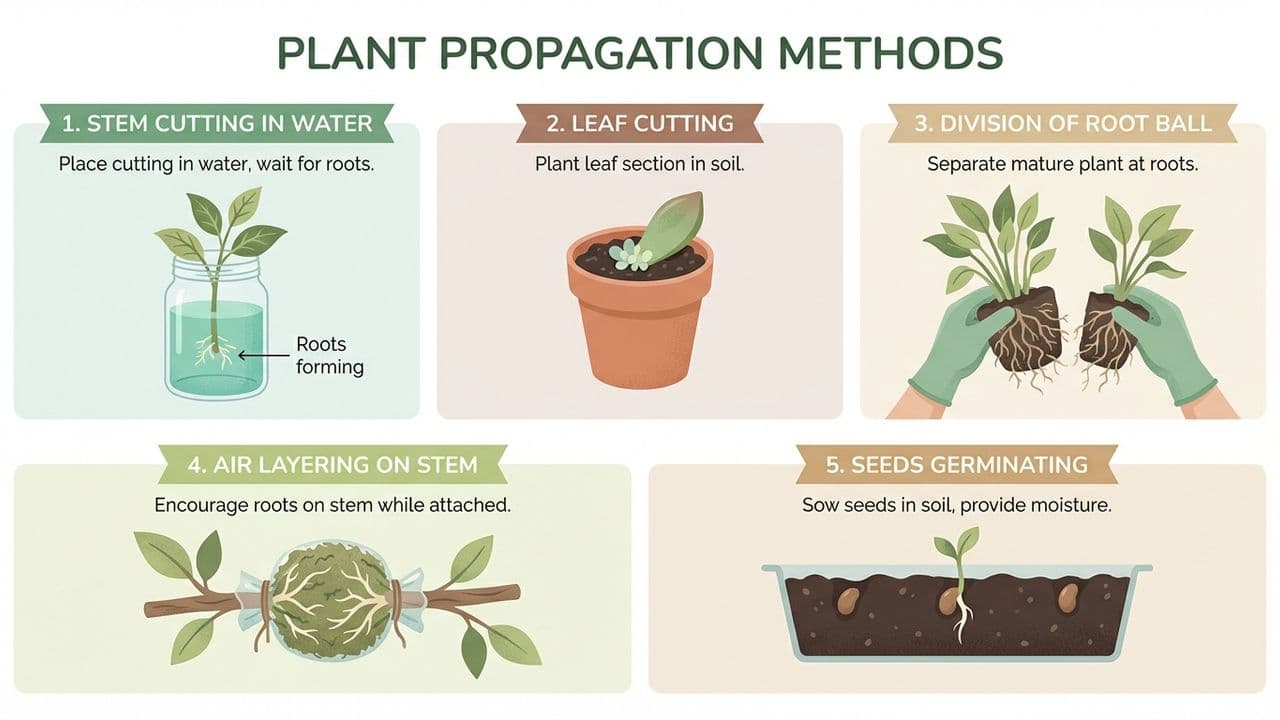
Snake Plant and ZZ Plant prefer being slightly rootbound and should be planted in very well-draining soil. Spider Plant can be divided during repotting to create multiple plants (see our propagation guide). Aloe Vera should be planted shallowly with no leaves buried.
Common Repotting Mistakes
Potting too deep suffocates stems and encourages rot. The soil line should stay at the same level as before. Using pots without drainage is a recipe for root rot. Repotting too frequently stresses plants—most don't need annual repotting unless they're fast growers or visibly rootbound.
Neglecting to check for pests during repotting misses an opportunity. Inspect roots for mealybugs or root aphids. Reusing old potting soil can spread disease—always start with fresh mix. And remember: if your plant is struggling, repotting isn't always the answer. Diagnose the real problem first (see our plant revival guide).