This guide contains affiliate links. We may earn a small commission if you purchase through our links, at no extra cost to you.
This guide is part of our comprehensive Tropical Houseplant Guide.
"Bright indirect light" might be the most commonly given—and most commonly misunderstood—plant care advice. What exactly is "bright indirect"? How do you know if your home has enough? And when do you need to invest in grow lights?
Lighting determines whether your tropical plants thrive, survive, or slowly decline. Get it right, and everything else becomes easier. Get it wrong, and no amount of perfect watering or humidity will save them.
Let's decode tropical plant lighting once and for all.
Table of Contents
- Understanding Light Levels
- What "Bright Indirect Light" Actually Means
- Window Direction Guide
- Tropical Plants by Light Needs
- Signs of Light Problems
- When to Add Grow Lights
- Choosing Grow Lights for Tropicals
- Grow Light Setup and Timing
- Frequently Asked Questions
Understanding Light Levels
Before we talk about specific plants, let's establish what different light levels actually mean.
Measuring Light: Foot-Candles and Lux
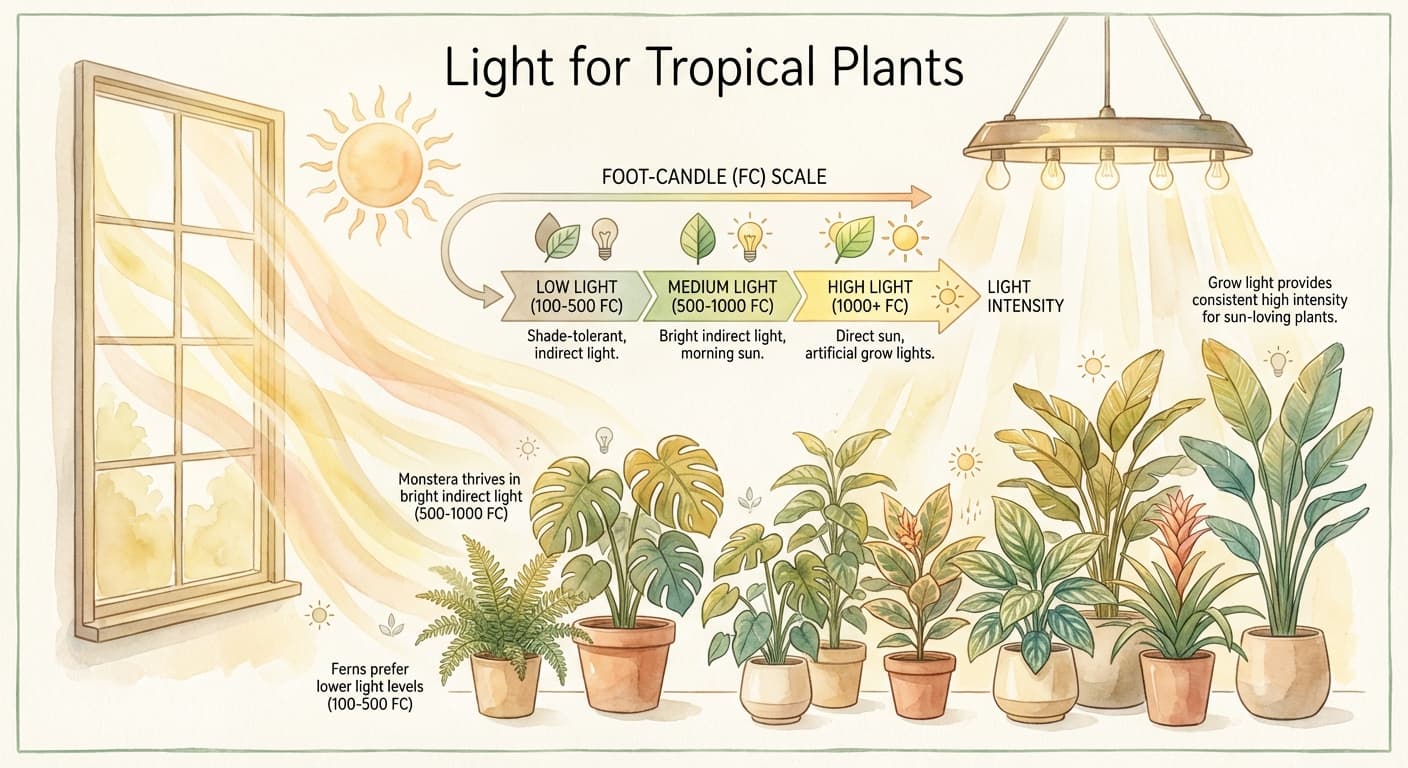
Light intensity is measured in foot-candles (fc) or lux. One foot-candle equals roughly 10.7 lux. Here's what different levels look like:
| Light Level | Foot-Candles | Lux | What It Feels Like |
|---|---|---|---|
| Low light | 25-100 fc | 250-1,000 lux | Dim corner, hallway, far from windows |
| Medium light | 100-400 fc | 1,000-4,000 lux | Several feet from bright window, near north window |
| Bright indirect | 400-800 fc | 4,000-8,000 lux | Near window but not in direct sun, bright enough to read easily |
| Direct sun | 1,000+ fc | 10,000+ lux | Unobstructed sunlight hitting the spot |
Most smartphones can measure light with free apps (search "light meter"). While not perfectly accurate, they give useful relative readings.
The Crucial Distinction: Quantity vs. Quality
Light has two components that matter for plants:
Intensity (brightness): How much light energy reaches the leaves. This determines how much photosynthesis can occur.
Duration (photoperiod): How many hours of light per day. Tropical plants evolved near the equator where days are roughly 12 hours year-round. They're adapted to consistent, moderate-length days.
A dim room with 12 hours of light isn't equivalent to a bright room with 6 hours. Intensity matters more than duration for most growth factors, though both contribute.
What "Bright Indirect Light" Actually Means
Let's demystify the most common lighting recommendation.
The Forest Floor Analogy
Imagine standing in a tropical rainforest. You're on the forest floor, beneath a canopy of towering trees. It's bright enough to see clearly—you could easily read a book—but no direct sun reaches you. Light filters through leaves above, creating a diffuse, even brightness without harsh shadows.
That's bright indirect light. Plenty of illumination, but no direct sunbeams hitting leaves.
Practical Definitions
Bright indirect light means:
- Within a few feet of a window, but not in the path of direct sun
- Near a window with sheer curtains that diffuse sunlight
- Under a skylight (not directly below a sunny one)
- Bright enough to read comfortably without straining
- Typically 400-800 foot-candles
NOT bright indirect:
- Across the room from windows
- Corners with no nearby light source
- Places where direct sunbeams hit the spot at any time of day
Testing Your Space
A simple test: place your hand between the light source and where your plant will sit. If you see a sharp, defined shadow, that's direct light. If the shadow is soft and diffuse, you have indirect light. No visible shadow at all means low light.
For brightness, ask yourself: "Could I comfortably read a book here without turning on a lamp?" If yes, you probably have medium to bright light.
Window Direction Guide
Window orientation dramatically affects the light your plants receive. Here's what each direction offers (for the Northern Hemisphere—reverse for Southern Hemisphere):
East-Facing Windows
Light quality: Gentle morning sun, fading to indirect light by afternoon Intensity: Moderate to bright Best for: Most tropical plants
East windows offer the best of both worlds. Morning sun is gentler than afternoon sun, so many tropicals can handle some direct morning light without burning. The rest of the day brings bright indirect light.
Ideal placement: Directly in front of or beside an east window works for most tropicals.
North-Facing Windows
Light quality: Consistent indirect light, no direct sun Intensity: Low to medium Best for: Low-light tolerant tropicals, shade-lovers
North windows never receive direct sun. The light is consistent but less intense. This works well for plants that burn easily or prefer lower light, but may be insufficient for high-light tropicals.
Ideal placement: Low-light plants directly at the window; medium-light plants may need supplemental lighting.
West-Facing Windows
Light quality: Hot afternoon sun Intensity: High, with intense direct light Best for: Sun-tolerant plants, with caution
West windows receive the harshest afternoon sun. Most tropical foliage plants burn with extended direct afternoon exposure. However, the indirect light before and after the direct sun period can be excellent.
Ideal placement: 3-5 feet back from the window, or filtered by sheer curtains during peak afternoon hours.
South-Facing Windows
Light quality: Strongest light, longest duration of direct sun Intensity: High Best for: High-light tropicals, with management
South windows receive the most light overall—fantastic for light-hungry plants but potentially too intense for shade-lovers. The challenge is managing the intense direct sun during midday.
Ideal placement: Several feet back from the glass, beside (rather than directly in front of) the window, or filtered by sheer curtains. Plants that tolerate some direct sun can go closer.
Seasonal Considerations
Remember that the sun's angle changes with seasons:
- Winter: Sun is lower, direct light reaches further into rooms
- Summer: Sun is higher, direct light may not penetrate as deeply
- Spring/Fall: Transition periods where light patterns shift
A spot that's perfect in summer might get blasted with direct sun in winter when the lower sun angle sends beams deeper into the room.
Tropical Plants by Light Needs
Different tropicals evolved in different rainforest niches. Match plants to available light for best results.
High Light Tropicals (Bright Indirect to Some Direct)
These plants want lots of light and can handle some direct sun:
| Plant | Light Needs | Direct Sun Tolerance |
|---|---|---|
| Bird of Paradise | Bright, some direct | Yes, loves it |
| Fiddle Leaf Fig | Bright | Tolerates morning sun |
| Croton | Bright | Needs some direct for color |
| Rubber Plant | Medium to bright | Morning sun OK |
| Yucca | Bright | Tolerates full sun |
Place these near south or west windows (with protection from harsh afternoon sun if needed) or directly at east windows.
Medium Light Tropicals (Bright Indirect)
The majority of popular tropicals fall here:
| Plant | Light Needs | Notes |
|---|---|---|
| Monstera | Medium to bright | More splits with more light |
| Philodendron | Medium to bright | Adapts to lower light |
| Pothos | Low to bright | Extremely adaptable |
| Peace Lily | Medium | Tolerates lower light |
| Dracaena | Medium | Avoids direct sun |
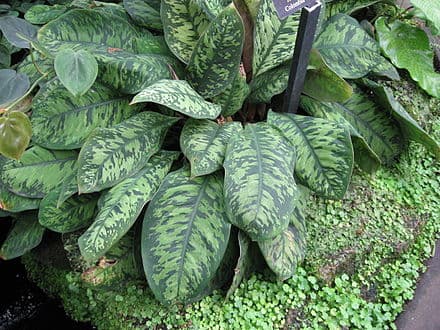
| Dieffenbachia | Medium | Burns in direct sun |
These thrive near east windows, a few feet from south/west windows, or close to north windows if those windows are large and unobstructed.
Low Light Tolerant Tropicals
These survive lower light but still prefer more when available:
| Plant | Light Needs | Notes |
|---|---|---|
| Snake Plant | Low to medium | Survives almost anywhere |
| ZZ Plant | Low to medium | Extremely tolerant |
| Cast Iron Plant | Low | One of the most shade-tolerant |
| Pothos | Low to bright | Grows slower in low light |
| Parlor Palm | Low to medium | Classic low-light palm |
"Low light tolerant" doesn't mean "no light." These plants survive in dim conditions but don't thrive. Growth will be slow, and they'll stretch toward any available light.
Calathea and Other Shade Lovers
Some tropicals actually prefer lower light:
| Plant | Light Needs | Notes |
|---|---|---|
| Calathea | Low to medium | Burns in bright light, fades patterns |
| Maranta | Low to medium | Similar to Calathea |
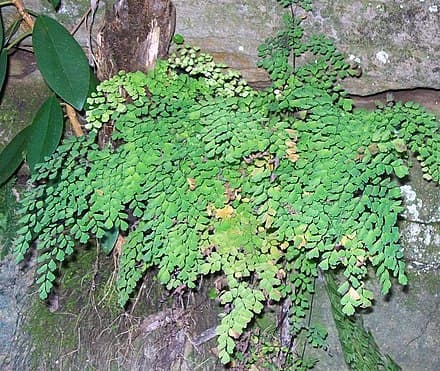
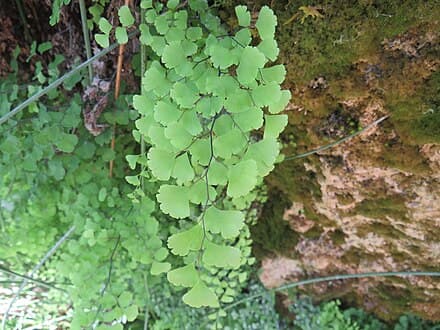
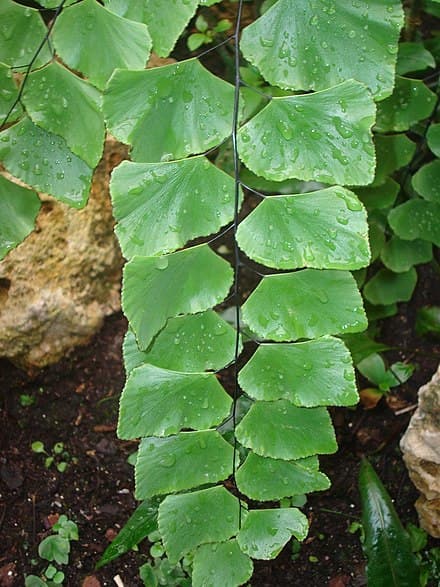
| Ferns (most) | Medium | Indirect only |
These evolved on the shadier forest floor. Bright light fades their patterns and can cause leaf burn. See our Calathea care guide for detailed requirements.
Signs of Light Problems
Your plants communicate light stress through their appearance.
Too Little Light
Leggy, stretched growth: Stems elongate toward light sources, with large gaps between leaves. The plant is literally reaching for more light.
Small leaves: New leaves come in smaller than older ones as the plant conserves energy.
Pale or faded colors: Variegated plants may revert to solid green (more chlorophyll = more efficient photosynthesis with limited light).
Slow or no growth: The plant doesn't have energy to grow significantly.
Leaning toward light: The whole plant tilts toward windows or light sources.
Lower leaf drop: The plant sheds leaves it can't support with available light.
Too Much Light (Leaf Burn)
Bleached or pale patches: Areas of leaves losing color where direct sun hits.
Brown or crispy spots: Burned tissue, often on the side facing the light source.
Curling away from light: Leaves curl or turn to minimize sun exposure.
Wilting during sunny periods: Even with adequate water, intense light causes wilting.
Faded patterns: On patterned plants like Calathea, patterns wash out in too much light.
When to Add Grow Lights
Natural light isn't always sufficient. Here's when grow lights become necessary or helpful:
You Probably Need Grow Lights If:
- Your plant area is more than 5-6 feet from windows
- Windows are small, obstructed, or north-facing (in low-light climates)
- You want to grow high-light tropicals in medium-light spaces
- Winter significantly reduces your available light
- You're growing plants in rooms with no windows
Grow Lights Are Helpful If:
- You want to accelerate growth on plants getting adequate (but not abundant) natural light
- Your collection has outgrown prime window real estate
- You want to prevent winter growth slowdown
- You're maintaining plants in office environments with limited natural light
You Probably Don't Need Grow Lights If:
- You have large, unobstructed windows
- Plants are within a few feet of bright windows
- You're growing low-light tolerant plants
- Current plants are thriving without supplementation
Choosing Grow Lights for Tropicals
The grow light market can be overwhelming. Here's what matters for tropical houseplants.
Light Spectrum
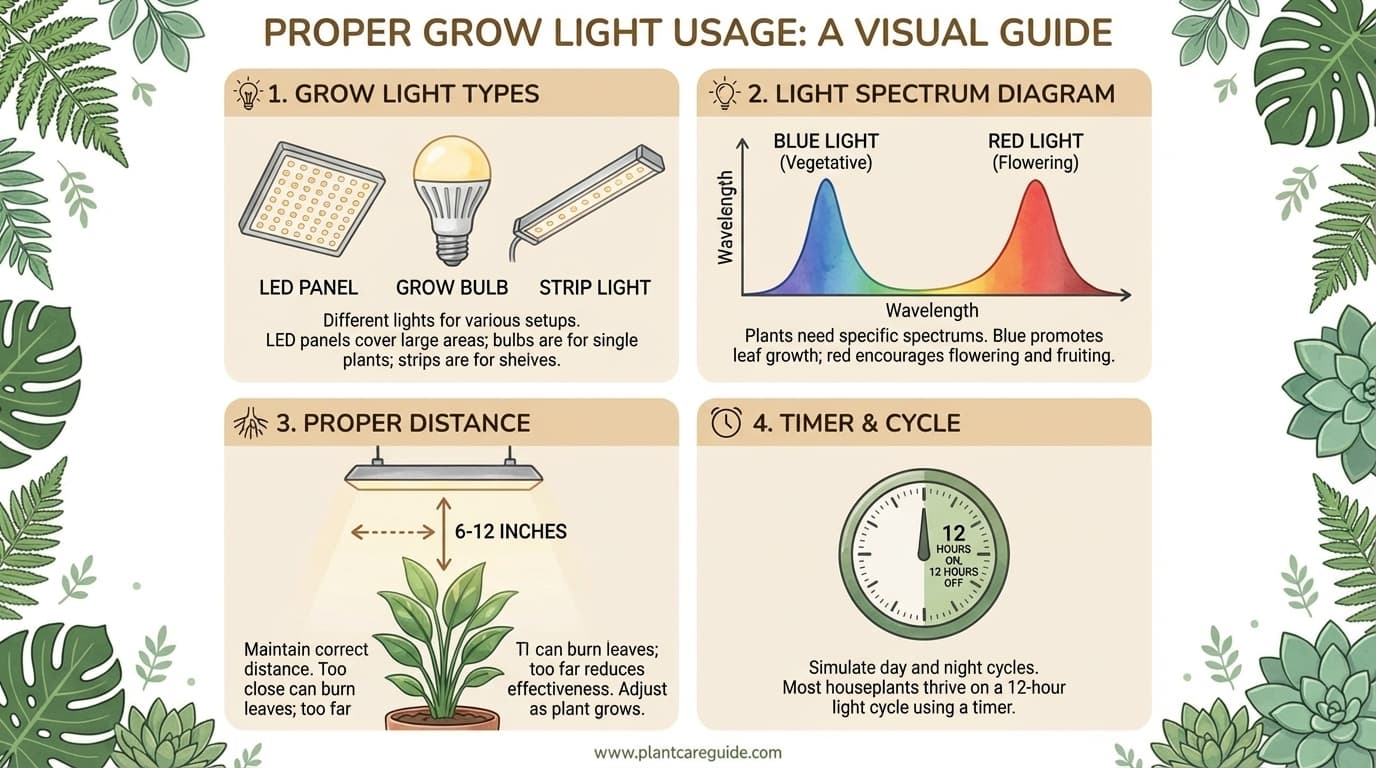
Plants use primarily red and blue light for photosynthesis:
Full spectrum/white LEDs: Provide a balanced spectrum similar to sunlight. Best for general growing and pleasant to look at.
Pink/purple (blurple) LEDs: Heavy red and blue, minimal green. Efficient for plant growth but harsh on human eyes.
For home use, full-spectrum white LEDs are recommended—they're effective for plants and don't make your living space look like a sci-fi movie set.
Light Intensity (PPFD)
PPFD (Photosynthetic Photon Flux Density) measures useful light for plants. Good grow lights list their PPFD at specific distances.
For tropical houseplants:
- Low-light plants: 50-150 PPFD
- Medium-light plants: 150-300 PPFD
- High-light plants: 300-600 PPFD
Most quality grow lights designed for houseplants provide adequate PPFD at their recommended hanging distance.
Form Factors
Bulbs: Screw into standard fixtures. Good for supplementing individual plants or small areas. Affordable entry point.
Panel/board lights: Flat panels that cover larger areas evenly. Good for plant shelves or multiple plants. More expensive but more effective.
Light bars/strips: Long, thin lights that work well under shelves or along plant racks. Great for multi-tier setups.
Floor/desk lamps with grow bulbs: Stylish options that blend into decor. Generally lower intensity but fine for supplementing medium-light plants.
Recommended Options
For most tropical plant growers, these types work well:
Budget option: LED grow bulbs in clamp lights. ~$15-25 per bulb. Good for 1-3 plants each.
Mid-range: LED panel lights. ~$40-80. Cover a shelf or plant table well.
Premium: Full-spectrum LED bars or high-quality panels. ~$80-150+. Even coverage, better intensity control, often dimmable.
For more detailed grow light recommendations, see our grow lights guide.
Grow Light Setup and Timing
Getting the most from your grow lights requires proper positioning and scheduling.
Distance from Plants
Light intensity decreases rapidly with distance (inverse square law). This means:
- 12 inches away provides roughly 4x the intensity of 24 inches
- Closer is more intense but covers less area
- Further is less intense but more even coverage
Starting point: 12-18 inches above foliage for most LED grow lights. Adjust based on plant response:
- Signs of too close: bleaching, leaf curl, burn spots
- Signs of too far: stretching, slow growth, reaching toward light
Daily Light Duration
For most tropical plants: 10-14 hours of light daily
Since grow lights supplement (or replace) natural light, total daily light exposure matters:
- Plants getting some natural light: 8-10 hours of supplemental light
- Plants relying entirely on grow lights: 12-14 hours of light
Use timers to maintain consistent schedules. Plants respond better to predictable light cycles than random on/off patterns.
Positioning Tips
Avoid blocking: Position lights so foliage doesn't block light from reaching lower growth.
Consider rotation: Even with grow lights, plants may grow toward the brightest point. Rotate periodically for even growth.
Watch temperature: Some grow lights generate heat. Ensure plants aren't getting too warm, especially close to the light.
Combine with natural light: Grow lights work great as supplements. Position them to fill in where natural light is weakest.
Frequently Asked Questions
What is "bright indirect light"?
Light that's bright enough to read comfortably but not direct sunbeams hitting the leaves. Near a window but not in the path of direct sun, or filtered through sheer curtains.
Can tropical plants survive in low light?
Some can survive (Pothos, Snake Plant, ZZ Plant) but most merely persist rather than thrive. Growth will be slow, and plants may become leggy. For true low-light conditions, consider plants specifically adapted to shade.
How do I know if my plant needs more light?
Signs include: stretched/leggy growth, small new leaves, pale colors, variegation reverting to green, overall slow growth, and leaning toward light sources.
Do grow lights really work?
Yes, quality grow lights provide the spectrum plants need for photosynthesis. They can effectively supplement or replace natural light for tropical houseplants.
How long should grow lights be on?
10-14 hours daily for most tropical plants. Use timers for consistency. Combine grow light hours with any natural light the plants receive.
Can you give plants too much light?
Yes. Signs include bleached patches, brown burn spots, wilting, and leaf curling. Move the plant back or reduce light duration.
Which direction window is best for tropical plants?
East-facing windows are ideal for most tropicals—gentle morning sun plus bright indirect light. South windows provide the most light but may need management. West has harsh afternoon sun. North is lowest light.
Do tropical plants need direct sunlight?
Most tropical houseplants prefer bright indirect light and can be damaged by direct sun. Exceptions include Bird of Paradise, Croton, and some other sun-tolerant species that benefit from some direct exposure.
Key Takeaways
Lighting success with tropical plants comes down to:
- Understand your space: Map the light levels in different areas of your home
- Match plants to light: Choose species suited to your available light, or supplement with grow lights
- Watch for signs: Stretching means too little light; bleaching means too much
- Supplement strategically: Grow lights extend your options when natural light falls short
- Be consistent: Plants respond better to predictable light conditions than fluctuating ones
Get lighting right, and the other aspects of tropical plant care become much easier. Your plants will have the energy they need to grow, recover from stress, and show off their beautiful foliage.
For complete tropical plant care, return to our Complete Guide to Tropical Houseplants.