This guide contains affiliate links. We may earn a small commission if you purchase through our links, at no extra cost to you.
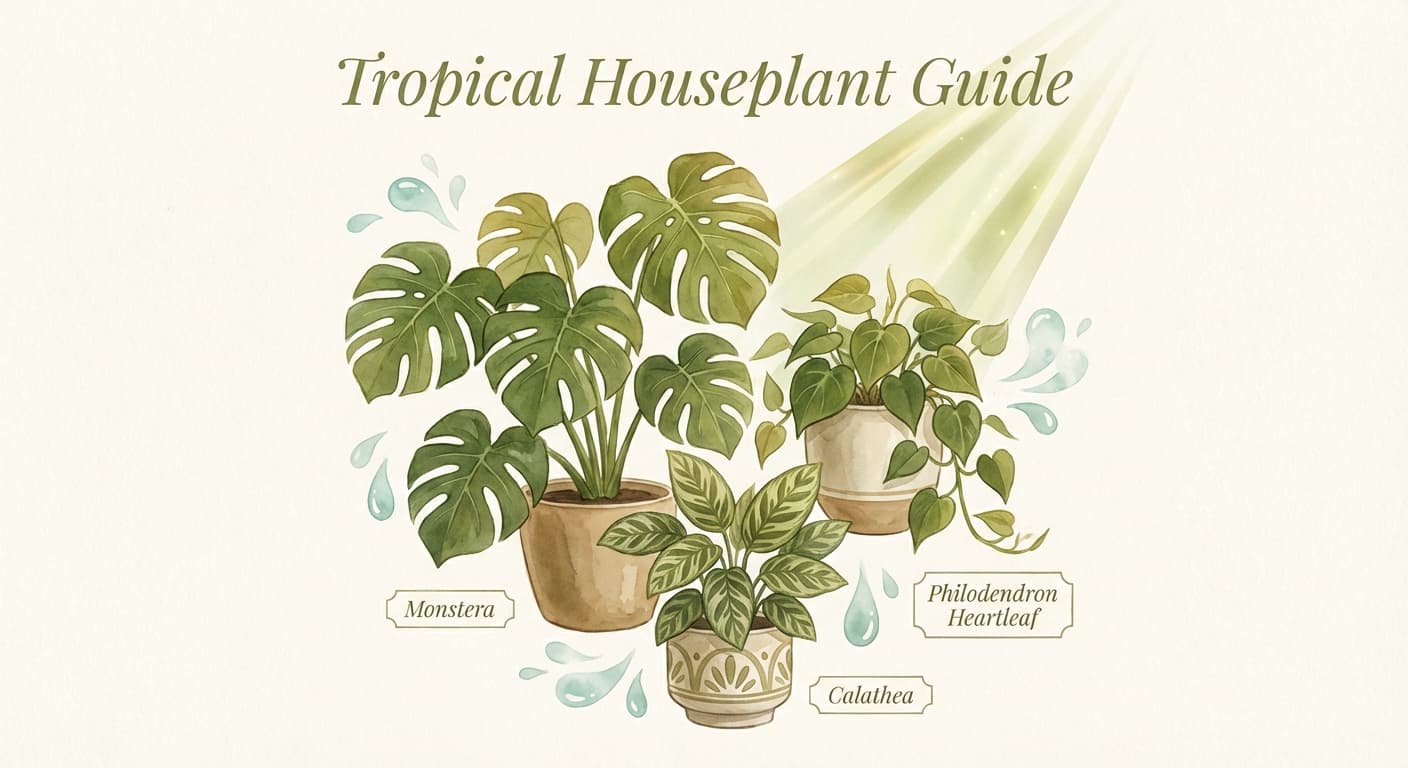
This guide is part of our comprehensive Tropical Houseplant Guide.
You've done everything right. You water when the soil dries. You've found the perfect spot with bright indirect light. You even spent $30 on that premium potting mix. Yet your Calathea's leaves are curling at the edges, your Monstera's new growth looks stunted, and your Philodendron's aerial roots have shriveled into papery wisps.
The culprit is almost certainly humidity—or rather, the lack of it.
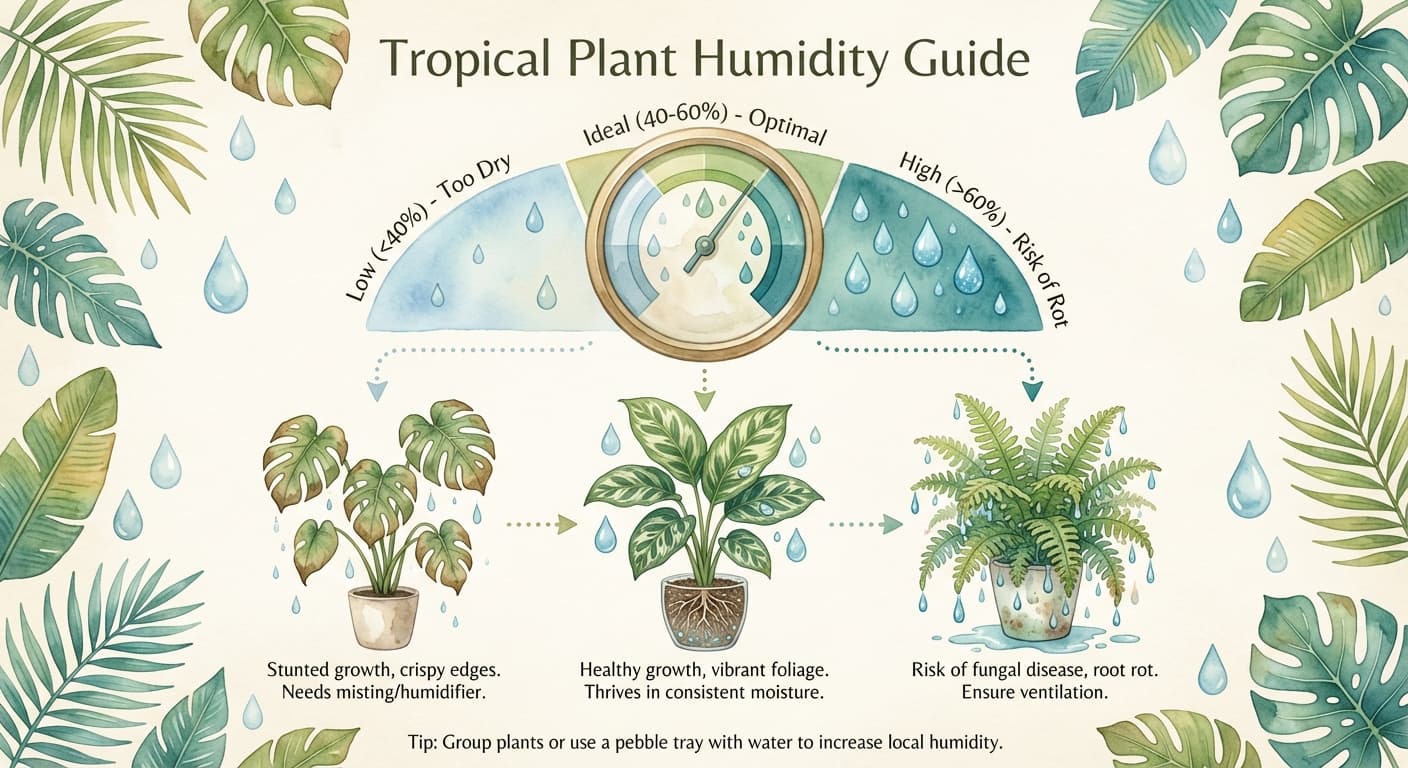
Most homes hover around 30-40% humidity, sometimes dropping below 20% in winter when heating runs constantly. Meanwhile, the tropical plants sitting on your windowsill evolved in environments where humidity rarely dips below 60%. That gap between what your home provides and what your plants need is why so many tropical plant owners struggle.
The good news: once you understand humidity and how to manage it, you'll solve problems that have frustrated you for months. Let's make that happen.
Table of Contents
- Why Humidity Matters for Tropical Plants
- Measuring Your Home's Humidity
- Humidity Requirements by Plant Type
- Humidity Methods Compared
- Room-by-Room Strategies
- Seasonal Humidity Adjustments
- Signs Your Plants Need More Humidity
- Common Humidity Mistakes
- Frequently Asked Questions
Why Humidity Matters for Tropical Plants
To understand humidity's importance, picture a tropical rainforest. The air hangs heavy with moisture. Leaves glisten. Everything feels damp. This isn't a temporary condition—it's the constant reality these plants evolved to expect.
Tropical plants have adapted to these conditions in ways that work against them in dry homes:
Thin Leaves
Many tropical plants have broad, thin leaves designed to maximize photosynthesis in the filtered light of the forest understory. These thin leaves lose water rapidly through transpiration. In humid environments, the surrounding moisture slows this water loss. In dry air, water escapes faster than roots can replace it, leading to crispy edges and wilting.
Aerial Roots
Climbing tropicals like Monstera and many Philodendrons produce aerial roots that absorb moisture directly from the air. In their native habitat, these roots find moisture in humid air and on moist tree bark. In dry homes, aerial roots dessicate and can't perform their function, limiting the plant's ability to absorb water and nutrients.
Stomata Function
Plants regulate water loss and gas exchange through tiny pores called stomata, primarily on the undersides of leaves. In dry air, plants close their stomata to conserve water—but this also reduces their ability to photosynthesize. Low humidity doesn't just cause visible damage; it slows growth even when you don't see obvious symptoms.
Cellular Turgor
Plant cells stay plump and rigid through water pressure (turgor). When humidity is low and water loss exceeds uptake, cells lose turgor pressure. This causes the drooping and wilting you see in thirsty plants, but it can happen even when soil is moist if the air is too dry.
Measuring Your Home's Humidity
You can't manage what you don't measure. A hygrometer—a device that measures relative humidity—is essential equipment for tropical plant care.
Types of Hygrometers
Digital hygrometers ($10-25): The most practical option for most growers. Place them near your plants for accurate readings of the actual growing environment. Many include temperature displays and min/max tracking.
Smart hygrometers ($20-50): Connect to apps for remote monitoring and data logging. Useful if you want to track humidity patterns over time or get alerts when levels drop.
Analog hygrometers: The classic dial-style devices. Less accurate than digital options and harder to read. Skip these unless you're going for aesthetics.
Where to Measure
Place your hygrometer at plant level, near your plants—not across the room. Humidity can vary significantly within a space, especially near windows, heating vents, or humidifiers.
Measure in different locations to understand your home's humidity zones:
- Near your plant grouping
- By windows (often drier due to drafts)
- In bathrooms (naturally higher)
- Away from heating/AC vents
Understanding Relative Humidity
Relative humidity (RH) is expressed as a percentage—the amount of moisture in the air relative to the maximum it could hold at that temperature. Warm air holds more moisture than cold air, which is why:
- Summer humidity is often higher even at the same relative percentage
- Winter heating dries air dramatically (cold air holds less moisture, then heating it lowers the relative humidity further)
- Morning humidity may read higher than afternoon in the same location
For plant care, aim to keep your growing area within your plants' preferred humidity range consistently, not just occasionally.
Humidity Requirements by Plant Type
Different tropical plants have evolved in different humidity environments. Here's what various popular species need:
High Humidity (60%+)
These plants struggle below 60% and thrive at 70%+:
| Plant | Ideal Range | Notes |
|---|---|---|
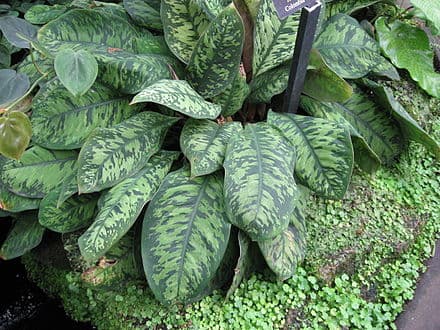
| Calathea / Maranta | 60-80% | Notorious for crispy edges below 60% |
| Alocasia | 60-80% | Benefits from consistently high humidity |
| Anthurium (collector types) | 60-80% | Standard Anthuriums are more tolerant |
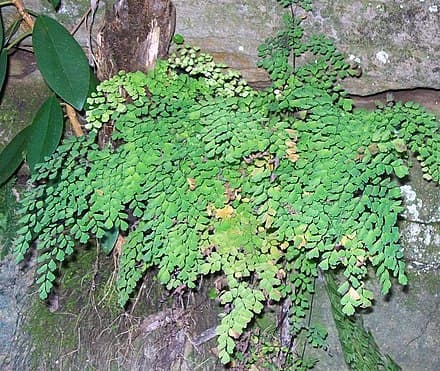
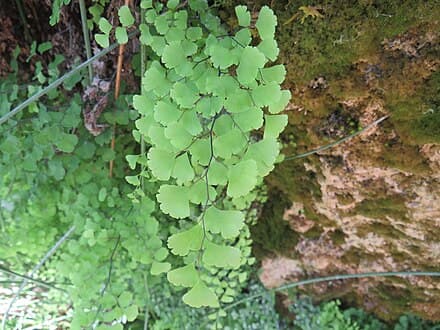
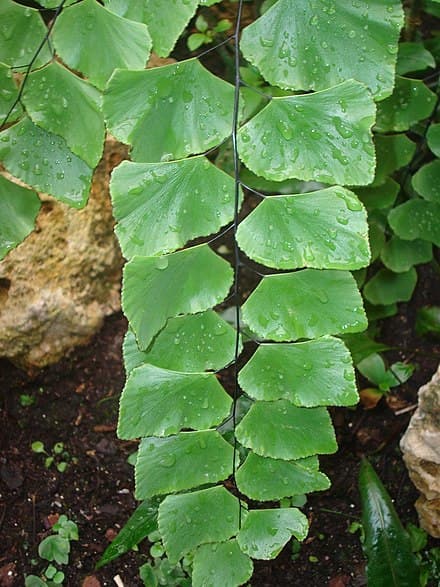
| Ferns | 60-80% | Most tropical ferns need high humidity |
| Fittonia | 60-80% | Wilts dramatically when too dry |
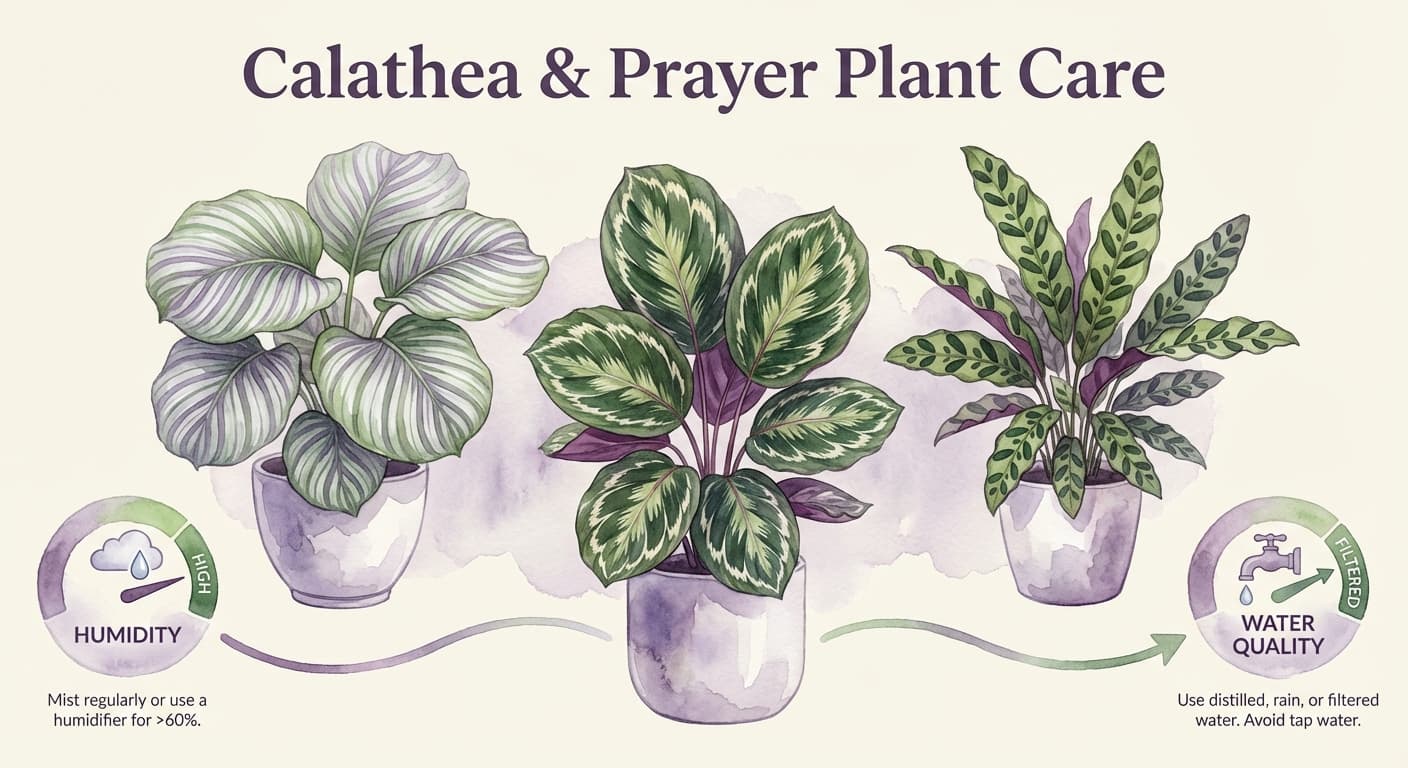
For these humidity divas, see our Calathea and prayer plant guide for detailed care.
Moderate Humidity (50-60%)
These plants prefer higher humidity but adapt to moderate levels:
| Plant | Ideal Range | Notes |
|---|---|---|
| Monstera | 50-70% | Surprisingly tolerant but happier humid |
| Philodendron | 50-70% | Most varieties adapt well |
| Alocasia (some) | 50-70% | Polly and similar are more forgiving |
| Bird of Paradise | 50-60% | More drought-tolerant than many tropicals |
| Peace Lily | 50-60% | Tolerates average humidity |
Tolerant of Average Humidity (40-50%)
These tropicals handle typical home conditions:
| Plant | Tolerance | Notes |
|---|---|---|
| Pothos | 40-60% | Very adaptable |
| Heart-leaf Philodendron | 40-60% | Among the most forgiving |
| Snake Plant | 30-50% | Actually prefers lower humidity |
| ZZ Plant | 30-50% | Tolerates dry conditions well |
| Dracaena | 40-50% | Adapts to average conditions |
Humidity Methods Compared
Not all humidity solutions are created equal. Here's how common methods actually perform:
Humidifiers (Most Effective)
A good humidifier is the single most effective tool for raising humidity around your plants.
Pros:
- Can raise humidity 10-30% or more
- Consistent output
- Covers a reasonable area
- Adjustable output levels
Cons:
- Requires regular cleaning (weekly)
- Needs refilling
- Some models are noisy
- Electricity cost (minimal)
Types:
- Cool mist: Most common for plant use. Ultrasonic models are quieter. May leave mineral dust if using tap water.
- Warm mist: Boils water, creating steam. Kills bacteria in the process. Uses more energy.
- Evaporative: Uses a fan to blow air through a wet wick. No mist or mineral dust, but wicks need replacement.
Sizing guidance: For a typical room corner with plants, a humidifier rated for 200-400 square feet works well. Large plant collections may need multiple units or a larger whole-room model.
Plant Grouping (Moderately Effective)
Plants release moisture through transpiration. Grouping them together creates a humid microclimate.
Pros:
- Free
- Natural
- Creates attractive displays
- Compounds with other methods
Cons:
- Modest humidity boost (5-15%)
- Requires multiple plants
- Can crowd plants and reduce airflow
This works best as a complement to other methods rather than a sole solution for humidity-loving plants.
Pebble Trays (Minimally Effective)
Shallow trays filled with pebbles and water, placed beneath plants. As water evaporates, it theoretically raises humidity.
Pros:
- Inexpensive
- Low maintenance
- Prevents pots from sitting in water
Cons:
- Minimal humidity boost (maybe 2-5%)
- Studies show negligible effect beyond a few inches above the tray
- Can attract fungus gnats if not maintained
Pebble trays won't save your Calathea, but they're harmless and look nice. Don't rely on them as your primary humidity solution.
Misting (Least Effective)
Spraying plants with water from a spray bottle.
Pros:
- Satisfying ritual
- Cleans dust from leaves
- Brief humidity spike
Cons:
- Effect lasts minutes, not hours
- Must be done constantly to matter
- Can promote fungal problems if leaves stay wet
- Doesn't address the actual humidity problem
Misting is largely ineffective for humidity management. Water on leaves evaporates quickly and doesn't raise ambient humidity meaningfully. It's fine for occasional leaf cleaning but not a humidity solution.
Terrariums and Enclosed Cabinets (Highly Effective)
Enclosed or semi-enclosed growing environments maintain very high humidity.
Pros:
- Can achieve 70-90% humidity easily
- Creates controlled environment
- Perfect for demanding species
Cons:
- Limited to plants that fit
- Requires lighting inside
- Can have airflow issues
- Initial setup cost
For the most demanding tropicals, enclosed growing is often the answer. IKEA cabinet conversions (using Milsbo, Rudsta, or similar glass cabinets) have become popular among collectors. See our advanced tropical care guide for setup details.
Comparison Summary
| Method | Effectiveness | Cost | Maintenance |
|---|---|---|---|
| Humidifier | High (10-30%+) | $30-100 | Weekly cleaning, refilling |
| Enclosed cabinet | Very High (70%+) | $100-300 | Moderate (lighting, airflow) |
| Plant grouping | Moderate (5-15%) | Free | None |
| Pebble tray | Low (2-5%) | $10-20 | Occasional refilling |
| Misting | Minimal (under 2%) | $5 | Daily effort |
Room-by-Room Strategies
Different rooms in your home naturally have different humidity levels. Understanding this helps you place plants strategically.
Bathrooms
Bathrooms are often the highest-humidity rooms in a home, thanks to showers and baths.
Advantages:
- Naturally high humidity spikes daily
- Warm temperatures
- Often has tile/moisture-resistant surfaces
Challenges:
- Light may be limited (small or no windows)
- Humidity fluctuates rather than staying constant
- Space is often limited
Best for: Humidity-loving plants that tolerate lower light—ferns, Calathea, Maranta, Pothos. If your bathroom has a window with decent light, it can be ideal for demanding tropicals.
Kitchens
Kitchens benefit from steam from cooking and washing, raising humidity somewhat.
Advantages:
- Moderate humidity boosts from cooking
- Often has decent lighting
- You see plants frequently (easier to notice problems)
Challenges:
- Heat fluctuations near stove
- Grease and cooking residue can coat leaves
- Drafts from frequently opened doors/windows
Best for: Moderate-humidity tropicals—Pothos, Philodendron, herbs. Keep plants away from direct stove heat.
Living Rooms and Bedrooms
These rooms typically have average household humidity without natural boosts.
Advantages:
- Usually the best natural light
- Most space for plant arrangements
- Where you spend time (you'll enjoy them)
Challenges:
- May need supplemental humidity
- Heating/AC vents affect humidity
- Furniture arrangement may limit ideal placement
Best for: Most tropicals, with humidity supplementation for demanding species. Consider creating a dedicated "plant corner" with a humidifier.
Home Offices
Similar to living rooms, but you're present during the day to monitor conditions.
Best for: Mid-range tropicals. A small humidifier running during work hours can create a pleasant humidity zone for both you and your plants.
Seasonal Humidity Adjustments
Humidity management isn't static—it changes with the seasons.
Winter (Biggest Challenge)
Winter combines cold outdoor air (which holds little moisture) with indoor heating (which further dries the air). Many homes drop below 30% humidity in winter.
Winter strategies:
- Run humidifiers more frequently or at higher settings
- Consider adding a second humidifier to plant areas
- Move plants away from heating vents
- Group plants more closely
- Reduce watering slightly (plants use less water when humidity is higher)
- Consider relocating demanding plants to more humid rooms
Spring and Fall (Transition Seasons)
Humidity typically improves as heating use decreases. This is often when tropical plants hit their growth stride.
Transition strategies:
- Gradually reduce humidifier use as natural humidity rises
- Watch for rapid changes during weather transitions
- This is ideal propagation time—higher natural humidity helps cuttings
Summer (Usually Easier)
Outdoor humidity is higher, and even with air conditioning, most homes maintain 45-55% humidity.
Summer strategies:
- You may not need supplemental humidity at all
- Watch for AC vents creating dry spots
- If summering plants outdoors, ensure shade and monitor for sudden weather changes
- This is often when plants show their best growth
Signs Your Plants Need More Humidity
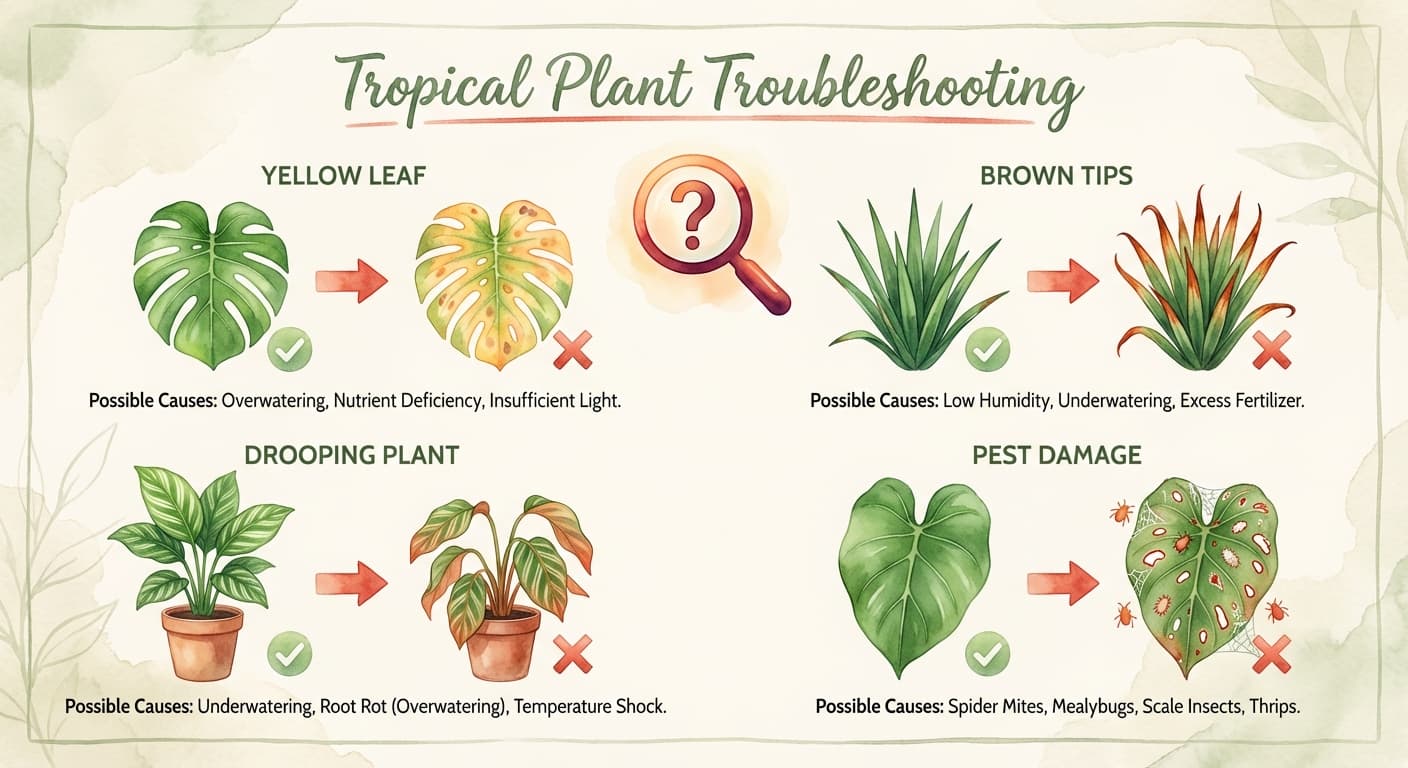
Plants communicate distress through their appearance. Here are humidity-related symptoms:
Crispy Leaf Edges and Tips
The classic low-humidity symptom. Brown, dry edges appear first on the thinnest parts of leaves. This is particularly common on:
- Calathea and Maranta (often the first sign)
- Ferns
- Thin-leaved Philodendrons
- Alocasia
Note: Crispy edges can also indicate watering issues or fertilizer burn. If edges are crispy but the rest of the leaf looks healthy and soil moisture is consistent, humidity is the likely culprit. See our brown leaf tips guide for complete diagnosis.
Curling Leaves
Leaves may curl inward to reduce surface area and slow moisture loss. This is the plant's defensive response to dry conditions. Common in:
- Calathea
- Stromanthe
- Fittonia
Stunted New Growth
New leaves emerge smaller than expected, or growth slows dramatically despite good light and fertilization. The plant is conserving resources because it can't maintain normal transpiration.
Dried Aerial Roots
On climbing plants like Monstera, aerial roots should be plump and slightly spongy. If they're papery, shriveled, or break easily, humidity is too low.
Frequent Wilting Despite Moist Soil
If a plant wilts but its soil is adequately moist, it may be losing water through leaves faster than roots can replace it. Higher humidity slows transpiration and reduces this stress.
Increased Pest Susceptibility
Spider mites thrive in hot, dry conditions. If you're seeing mite infestations, low humidity may be contributing. Raising humidity helps prevent mites and makes plants more resilient.
Common Humidity Mistakes
Avoid these pitfalls:
Relying on Misting Alone
We've covered this, but it bears repeating: misting doesn't significantly raise ambient humidity. It wets leaves briefly, then evaporates. For humidity-sensitive plants, misting alone will not solve your problems.
Measuring Humidity in the Wrong Location
A hygrometer across the room or at a different height than your plants gives misleading readings. Measure at plant level, near your plants.
Ignoring Seasonal Changes
Humidity management that worked in summer fails spectacularly in winter. Adjust your approach as seasons change.
Running Humidifiers Without Cleaning
Humidifiers can become bacteria and mold breeding grounds if not cleaned weekly. This can actually harm your plants (and your health). Follow manufacturer cleaning instructions.
Overcrowding in the Name of Humidity
Grouping plants helps humidity, but overcrowding creates other problems:
- Reduced airflow promotes fungal issues
- Plants shade each other, reducing light
- Pest problems spread more easily between crowded plants
Group plants with some breathing room between them.
Assuming All Tropicals Have the Same Needs
A Pothos can thrive at 40% humidity. A Calathea orbifolia wants 60%+. Don't treat all tropical plants the same—research your specific plants' needs.
Frequently Asked Questions
What humidity do tropical plants need?
It varies by species. Most tropical houseplants prefer 50-70% humidity. Some, like Calathea, need 60%+, while others like Pothos adapt to 40%. Check your specific plant's requirements.
Do I need a humidifier for tropical plants?
If your home stays above 50% humidity naturally, many tropical plants will be fine without one. If humidity drops below 45%, especially in winter, a humidifier significantly helps tropical plant health.
Can humidity be too high for houseplants?
Very high humidity (80%+) with poor airflow can promote fungal problems. Most homes can't achieve this accidentally. If you're using an enclosed cabinet, ensure some air exchange.
Should I mist my tropical plants?
Misting doesn't meaningfully raise humidity. It's fine for occasional leaf cleaning but shouldn't be your humidity strategy. A humidifier is far more effective.
What's the best humidifier for plants?
Any humidifier rated for your room size works. Cool mist ultrasonic models are popular because they're quiet and affordable. Use distilled or filtered water to avoid mineral deposits.
How do I measure humidity accurately?
Use a digital hygrometer placed at plant level, near your plants. Measure in multiple locations to understand humidity zones in your home.
Why do my Calathea leaves have crispy edges?
Low humidity is the most common cause. Calathea need 60%+ humidity consistently. Tap water sensitivity (fluoride, chlorine) can also contribute. See our Calathea guide for complete care.
Does grouping plants really help humidity?
Yes, but modestly—expect 5-15% increase from grouping alone. It's a helpful complement to other methods, not a complete solution for humidity-demanding plants.
Putting It All Together
Humidity management for tropical plants comes down to a few key principles:
- Measure first: Get a hygrometer and know your actual humidity levels
- Match plants to conditions: Choose plants that suit your natural humidity, or commit to supplementation
- Humidifier is king: For demanding tropicals, a humidifier is the most effective solution
- Group strategically: Combine grouping with humidification for best results
- Adjust seasonally: Winter requires more intervention than summer
- Watch your plants: They'll tell you when humidity is too low
With consistent humidity management, plants that once seemed impossibly demanding become achievable. That Calathea you killed three times? It might just need a humidifier running nearby. The Monstera that never seems quite happy? Fifty percent humidity could transform it.
Understanding humidity is often the missing piece between struggling tropical plant owner and thriving indoor jungle. Now you have the knowledge—put it to work.
For complete tropical plant care, return to our Complete Guide to Tropical Houseplants.